Google Ads
Google Ads vs Facebook Ads: Which Is Better for Your Business?

Category: Google Ads
Google Ads vs Facebook Ads: Which Is Better for Your Business?
Digital advertising has become one of the most effective ways for businesses to generate leads, increase sales, and build brand awareness. But when it comes to choosing the right platform, most business owners get stuck between two giants: Google Ads and Facebook Ads.
Both platforms are powerful, but they work very differently. One captures people actively searching for a solution, while the other creates demand by targeting users based on interests, behavior, and demographics.
So which platform is better for your business?
The answer depends on your goals, budget, industry, audience behavior, and how quickly you want results. In this guide, we’ll compare Google Ads vs Facebook Ads in detail so you can make the right decision for your business.
Understanding Google Ads
Google Ads is Google's advertising platform where businesses can show ads on Google Search, YouTube, Gmail, and millions of partner websites.
The biggest advantage of Google Ads is search intent.
When someone searches for:
- “best digital marketing agency”
- “buy running shoes online”
- “dentist near me”
they already have intent to purchase or take action.
Your business appears exactly when people are searching for your services.
Types of Google Ads Campaigns
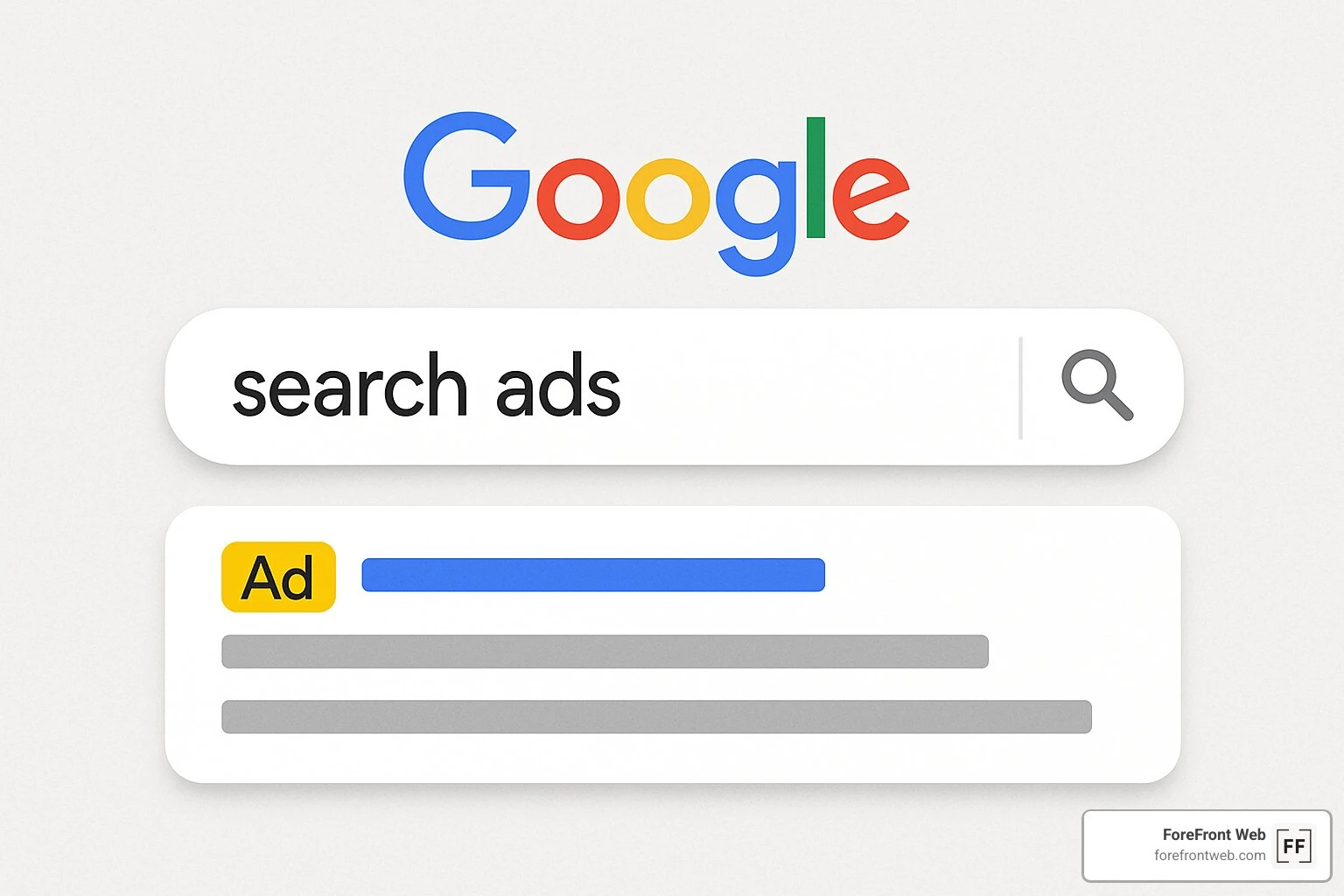
- Search Ads
- Display Ads
- Shopping Ads
- Video Ads
- Performance Max Campaigns
- App Campaigns
Businesses focused on lead generation, local services, or high-intent sales often see excellent results with Google Ads.
If you're struggling with poor campaign performance, you should also read 7 Costly Google Ads Mistakes That Are Wasting Your Budget (And How to Fix Them)
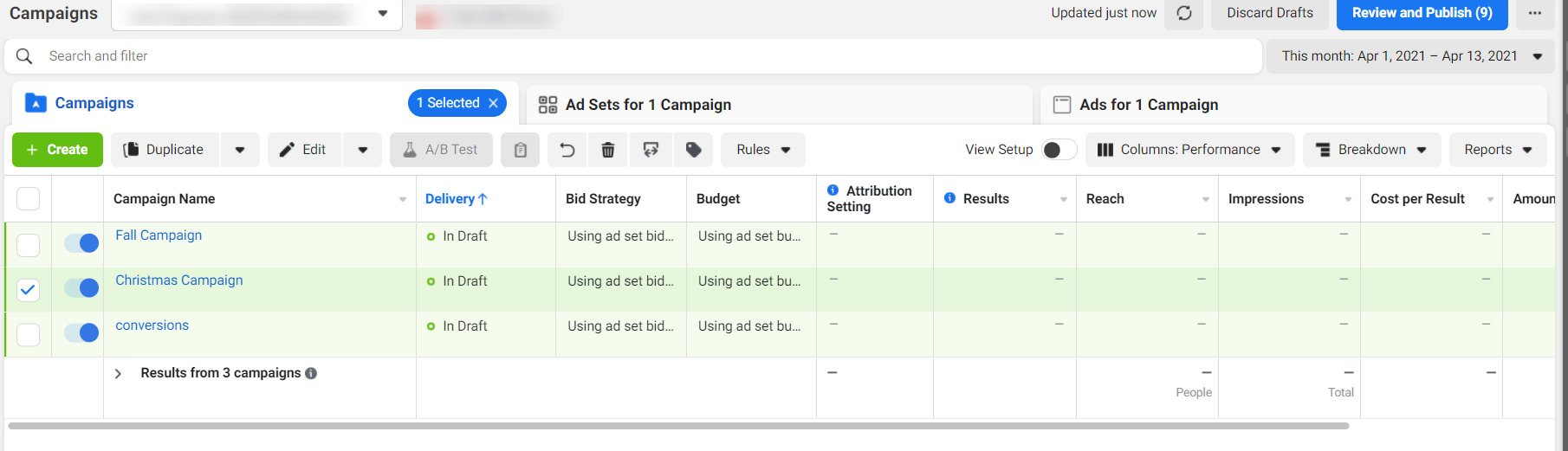
Understanding Facebook Ads
Facebook Ads work differently.
Instead of targeting search intent, Facebook shows ads to users based on:
- Interests
- Demographics
- Behaviors
- Online activity
- Purchase patterns
This includes advertising across:
- Messenger
- Audience Network
Facebook Ads are excellent for:
- Brand awareness
- E-commerce stores
- Retargeting
- Visual products
- Impulse purchases
- Building audiences
Google Ads vs Facebook Ads: Key Differences
1. Buyer Intent
Google Ads
Google Ads target users who are already searching for something.
Example:
If someone searches for “emergency plumber near me,” they likely need immediate help.
This makes Google Ads highly effective for:
- Local businesses
- Service providers
- B2B companies
- High-intent products
Facebook Ads
Facebook Ads interrupt users while they scroll through content.
Users may not be actively looking for your product, but good creatives can attract attention and create demand.
This works well for:
- Fashion brands
- Fitness products
- Lifestyle businesses
- Coaching offers
- Beauty products
Winner: Google Ads
For direct intent and immediate conversions, Google Ads usually perform better.
2. Cost Per Click (CPC)
Google Ads CPC
Google Ads can be expensive in competitive industries.
Keywords like:
- “personal injury lawyer”
- “insurance quotes”
- “SEO services”
can cost hundreds of rupees or even thousands per click.
However, high intent often leads to higher conversion rates.
Facebook Ads CPC
Facebook Ads generally have lower CPCs.
This allows businesses to:
- Reach larger audiences
- Generate cheaper traffic
- Build awareness faster
But lower CPC doesn’t always mean better ROI.
Winner: Facebook Ads
Facebook usually provides cheaper traffic and impressions.
3. Conversion Rates
Google Ads typically convert better because users already have buying intent.
Facebook users often need multiple touchpoints before converting.
Businesses running lead generation campaigns often combine both platforms for better performance.
For example:
- Facebook Ads generate awareness
- Google Ads capture search intent later
This creates a full-funnel strategy.
Winner: Google Ads
For immediate leads and conversions.
4. Audience Targeting
Facebook Ads Targeting
Facebook is incredibly strong for audience targeting.
You can target users based on:
- Interests
- Job titles
- Age
- Gender
- Relationship status
- Purchase behavior
- Website visitors
- Lookalike audiences
This is why Facebook Ads dominate e-commerce advertising.
Google Ads Targeting
Google focuses more on keyword intent.
However, Google also offers:
- Custom audiences
- Affinity audiences
- In-market audiences
- Remarketing
Winner: Facebook Ads
Facebook offers deeper demographic and behavioral targeting.
5. Best Platform for E-commerce
Both platforms work well for e-commerce, but differently.
Google Shopping Ads
Great for users already searching for products.
Example:
- “buy gaming laptop”
- “wireless headphones online”
Facebook & Instagram Ads
Better for discovery-based shopping.
Great for visually attractive products like:
- Clothing
- Jewelry
- Home decor
- Fitness accessories
Most successful e-commerce brands use both.
Winner: Tie
Depends on your product and funnel strategy.
6. Ad Creative Requirements
Facebook Ads
Creatives matter a lot.
Your success depends on:
- Video quality
- Hooks
- Copywriting
- Thumbnails
- User-generated content
Google Ads
Search Ads rely more on:
- Keywords
- Landing pages
- Ad copy
- Conversion tracking
Winner: Depends on Your Strengths
If you’re good at creative content, Facebook may work better.
If you understand search intent and keyword strategy, Google Ads is stronger.
7. Speed of Results
Google Ads
Can generate leads almost instantly.
Facebook Ads
Usually require testing and optimization before scaling.
Winner: Google Ads
Faster results for most businesses.
Which Businesses Should Use Google Ads?
Google Ads work best for:
- Local service businesses
- Law firms
- Doctors & clinics
- Real estate agencies
- B2B companies
- SaaS businesses
- Emergency services
If your customers actively search for your services, Google Ads should be your priority.
You can also explore our Google Ads Management Services to improve campaign performance and ROI.
Which Businesses Should Use Facebook Ads?
Facebook Ads are ideal for:
- Fashion brands
- Beauty brands
- Fitness products
- Online courses
- Restaurants
- Coaches & consultants
- E-commerce stores
Businesses with visually attractive products usually perform better on Facebook and Instagram.
Should You Use Both Google Ads and Facebook Ads?
Yes — in many cases, using both platforms together creates the best results.
Here’s a common strategy:
Stage 1: Awareness
Use Facebook Ads to introduce your brand.
Stage 2: Retargeting
Retarget visitors with offers and testimonials.
Stage 3: Intent Capture
Use Google Ads when users search for your product or service later.
This approach improves:
- Brand recall
- Conversion rates
- Customer trust
- Overall ROI
Businesses using integrated campaigns often outperform competitors relying on only one platform.
Google Ads vs Facebook Ads: ROI Comparison
The better ROI depends on:
- Industry
- Offer quality
- Landing page
- Audience targeting
- Ad creatives
- Conversion tracking
Many businesses fail because they ignore tracking and optimization.
If your campaigns are not converting, check out our homepage at Scale With Clicks to learn how data-driven marketing improves ad performance.
Common Mistakes Businesses Make
Mistake 1: Choosing the Wrong Platform
Not every business should start with Facebook Ads.
Not every business should rely only on Google Ads either.
Mistake 2: Poor Landing Pages
Even great ads fail with weak landing pages.
Mistake 3: No Conversion Tracking
Without proper tracking:
- You can’t optimize campaigns
- You waste budget
- ROI becomes unclear
Mistake 4: Ignoring Retargeting
Retargeting often generates the highest ROI.
Mistake 5: Testing Too Little
Successful campaigns require:
- A/B testing
- Creative testing
- Audience testing
- Keyword optimization
Final Verdict: Which Is Better?
There’s no universal winner.
Choose Google Ads if:
- You want immediate leads
- Your audience searches for your service
- You run a local business
- You need high-intent traffic
Choose Facebook Ads if:
- You sell visually appealing products
- You want brand awareness
- You rely on impulse purchases
- You need advanced audience targeting
Choose Both if:
- You want long-term scalable growth
- You want a full-funnel strategy
- You want to maximize ROI
The best businesses combine both platforms strategically instead of choosing only one.
FAQs
Is Google Ads better than Facebook Ads?
Google Ads are better for high-intent leads, while Facebook Ads are better for audience targeting and brand awareness.
Which platform is cheaper?
Facebook Ads usually have lower CPCs, but Google Ads often produce better conversion quality.
Which platform works best for small businesses?
It depends on the business type. Local services often perform better with Google Ads, while e-commerce brands usually succeed with Facebook Ads.
Can I run Google Ads and Facebook Ads together?
Yes. Running both platforms together creates a stronger full-funnel marketing strategy.
Which platform gives faster results?
Google Ads generally deliver faster leads because users already have search intent.
Are Facebook Ads still effective in 2026?
Yes. Facebook and Instagram Ads continue to work well for e-commerce, branding, and retargeting campaigns.