SEO
Local SEO for Small Businesses - Rank Higher in 2026

Category: SEO
Local SEO Guide for Small Businesses: Rank Higher & Get More Local Customers in 2026
If you're a local business owner, ranking on Google is no longer just about having a website. Customers today search for businesses using terms like "near me," "best digital marketing agency," "dentist nearby," or "electrician in Delhi." If your business isn't appearing in those results, you're losing potential customers to competitors every day.
That's where Local SEO comes in.
Unlike traditional SEO, Local SEO focuses on helping businesses appear in local search results, Google Maps, and the Local Pack. Whether you own a restaurant, salon, clinic, retail store, law firm, or service business, Local SEO helps you reach customers who are actively looking for what you offer.
In this comprehensive guide, we'll explain everything you need to know about Local SEO, why it matters, and the practical steps you can take to improve your local rankings.
If you're looking for expert help with search visibility, explore our SEO Services or visit Scale with Clicks to learn how we help businesses generate consistent leads online.
What is Local SEO?
Local SEO (Local Search Engine Optimization) is the process of optimizing your online presence so your business appears when people search for products or services in a specific location.
For example:
- Best dentist in Jaipur
- Digital marketing agency near me
- Car repair shop in Pune
- Coffee shop nearby
Google considers several factors before showing local businesses, including:
- Distance from the searcher
- Relevance of your business
- Business popularity
- Online reviews
- Website quality
- Local citations
The better optimized your business is, the better your chances of appearing in Google's Local Pack.
Why Local SEO Matters for Small Businesses
Unlike national brands, small businesses rely heavily on customers from nearby areas.
Local SEO helps you:
- Increase website traffic
- Generate qualified leads
- Improve Google Maps visibility
- Get more phone calls
- Increase walk-in customers
- Build trust through customer reviews
- Reduce dependency on paid advertising
Many businesses spend thousands on ads without first optimizing their local presence. If you're already running paid campaigns, check out our guide on How Much Should You Spend on Google Ads in 2026? to create a balanced marketing strategy.
How Google Ranks Local Businesses
Google primarily looks at three ranking factors.
1. Relevance
Does your business match what the user is searching for?
Complete business information, optimized services, and keyword-rich descriptions help Google understand your business.
2. Distance
How close is your business to the searcher's location?
While you can't control your physical location, you can optimize service areas if you serve multiple cities.
3. Prominence
This measures your business's reputation online.
Prominence depends on:
- Customer reviews
- Website authority
- Local backlinks
- Brand mentions
- Citations
- Overall online presence
Step 1: Optimize Your Google Business Profile
Your Google Business Profile (formerly Google My Business) is the foundation of Local SEO.
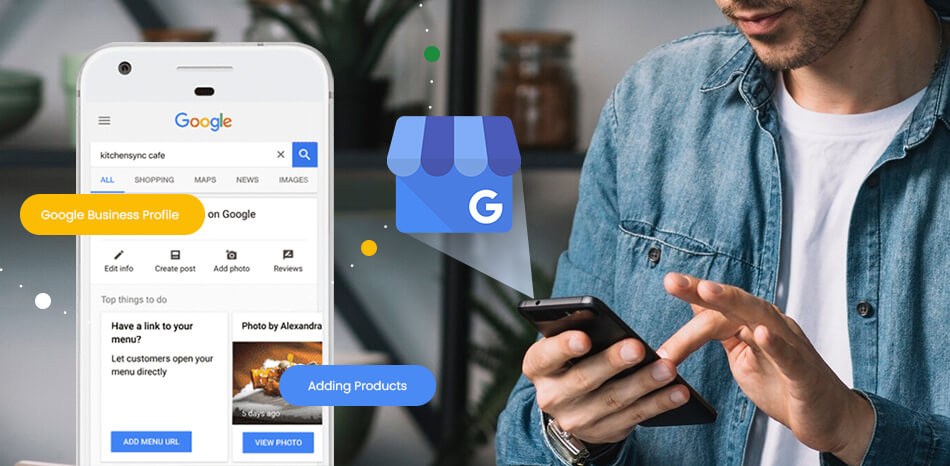
Make sure you:
- Verify your business
- Choose the correct business category
- Add accurate contact details
- Upload high-quality images
- Add business hours
- Include your services
- Write a keyword-rich business description
- Keep information updated
Businesses with complete profiles generally receive more clicks and customer interactions than incomplete listings.
Step 2: Keep NAP Information Consistent
NAP stands for:
- Name
- Address
- Phone Number
This information should remain identical across:
- Website
- Google Business Profile
- Business directories
- Industry listings
Even small differences (like "Road" vs "Rd.") can confuse search engines.
Step 3: Optimize Your Website for Local SEO
Your website should clearly communicate:
- Where you operate
- What services you offer
- Which locations you serve
Important elements include:
Location Pages
If you serve multiple cities, create dedicated landing pages for each location.
Example:
- SEO Services in Delhi
- SEO Services in Jaipur
- SEO Services in Mumbai
Local Keywords
Naturally include keywords like:
- Local SEO for small businesses
- Local SEO services
- Google Business Profile optimization
- Local search ranking
- Google Maps ranking
- Local SEO checklist
- Small business SEO
- Local business marketing
- Near me searches
- Local digital marketing
Avoid keyword stuffing.
Schema Markup
Implement Local Business Schema to help Google better understand your business information.
Step 4: Collect More Customer Reviews
Online reviews are among the strongest Local SEO signals.
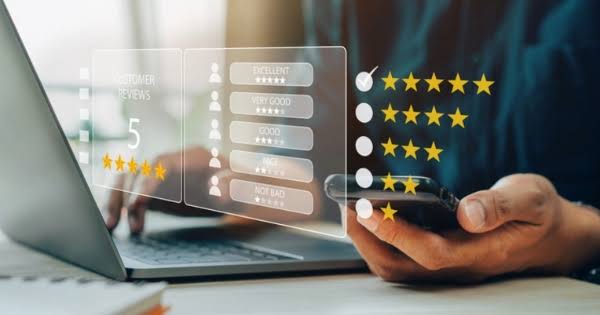
Encourage satisfied customers to leave honest reviews.
Best practices:
- Ask after successful service completion
- Share your review link
- Respond to every review
- Thank positive reviewers
- Address negative feedback professionally
Fresh reviews also improve customer trust and click-through rates.
Step 5: Build Local Citations
A citation is any online mention of your business.
Examples include:
- Justdial
- IndiaMART
- Sulekha
- Yelp
- Yellow Pages
- Bing Places
- Apple Maps
Consistency across all listings is critical.
Step 6: Create Helpful Local Content
Publishing useful content helps Google understand your expertise.
Ideas include:
- Local event coverage
- Area-specific guides
- Community updates
- Customer success stories
- Service-specific blogs
For example, if you're interested in improving paid advertising alongside SEO, you may enjoy:
- Why Your Google Ads Are Not Converting (Fix These Issues)
- How to Reduce Cost Per Click in Google Ads (2026 Guide)
- 7 Costly Google Ads Mistakes That Are Wasting Your Budget
Strong SEO and paid advertising often work best together.
Step 7: Earn High-Quality Local Backlinks
Backlinks remain one of Google's strongest ranking factors.
Look for opportunities such as:
- Local newspapers
- Business associations
- Chambers of commerce
- Local bloggers
- Community sponsorships
- Industry partnerships
Quality matters more than quantity.
Step 8: Optimize for Mobile Users
Most local searches happen on smartphones.
Your website should:
- Load quickly
- Have readable text
- Include click-to-call buttons
- Display maps correctly
- Offer simple navigation
Google also considers page experience as a ranking factor.
Step 9: Improve Website Speed
A slow website leads to:
- Higher bounce rates
- Lower rankings
- Poor user experience
Optimize:
- Images
- CSS
- JavaScript
- Hosting
- Browser caching
You can also review our SEO Services to identify technical SEO issues affecting your performance.
Step 10: Track Your Local SEO Performance
Monitor metrics such as:
- Google Business Profile views
- Calls
- Direction requests
- Website clicks
- Keyword rankings
- Organic traffic
- Conversion rate
- Form submissions
Tools like Google Search Console and Google Analytics provide valuable insights into your Local SEO performance.
Common Local SEO Mistakes to Avoid
Many businesses unknowingly hurt their rankings by making these mistakes:
- Ignoring Google Business Profile
- Inconsistent NAP details
- Buying fake reviews
- Using duplicate location pages
- Not responding to reviews
- Slow website speed
- Poor mobile experience
- Missing schema markup
- No local content strategy
- Ignoring technical SEO
Local SEO vs Google Ads
Many business owners wonder whether they should invest in Local SEO or Google Ads.
The answer depends on your goals.
Local SEO
Pros:
- Long-term visibility
- Sustainable traffic
- Lower ongoing costs
- Builds trust
Cons:
- Takes time to see results
Google Ads
Pros:
- Immediate traffic
- Fast lead generation
- Highly targeted
Cons:
- Traffic stops when ads stop
The best strategy is often combining both. Learn more about our Google Ads Management Services for businesses looking to generate leads while building long-term organic visibility.
Final Thoughts
Local SEO isn't just another marketing tactic—it has become essential for small businesses that want to attract nearby customers and compete with larger brands. By optimizing your Google Business Profile, maintaining consistent business information, earning genuine customer reviews, publishing valuable local content, and improving your website's technical performance, you can significantly increase your visibility in local search results.
Unlike paid advertising, Local SEO continues to deliver value over time. While it requires consistent effort, the long-term rewards include higher rankings, increased trust, better lead quality, and sustainable business growth.
If you're ready to improve your local search presence, Scale with Clicks offers tailored SEO solutions designed to help small businesses grow through data-driven strategies and measurable results.
Frequently Asked Questions (FAQs)
What is Local SEO?
Local SEO is the process of optimizing your online presence so your business appears in Google Search and Google Maps when people search for products or services in your local area.
How long does Local SEO take to show results?
Most businesses begin seeing improvements within three to six months, depending on competition, website quality, and optimization efforts.
Is Google Business Profile free?
Yes. Google Business Profile is completely free and is one of the most important tools for improving local search visibility.
Can Local SEO help service-based businesses?
Absolutely. Plumbers, electricians, lawyers, consultants, agencies, healthcare providers, and other service businesses benefit significantly from Local SEO.
What are the most important Local SEO ranking factors?
Some of the biggest factors include:
- Google Business Profile optimization
- Customer reviews
- Local backlinks
- Website optimization
- NAP consistency
- Local content
- Mobile-friendly website
- Technical SEO
Should I choose Local SEO or Google Ads?
If your budget allows, using both together often produces the best results. Google Ads provide immediate visibility, while Local SEO builds long-term organic growth.