Facebook Ads
Meta Ads for eCommerce - Scale Profitably in 2026

Category: Facebook Ads
Meta Ads for eCommerce: Scaling Strategy That Drives Profitable Growth in 2026
Running profitable Meta Ads for an eCommerce store is no longer about finding one winning audience and increasing the budget indefinitely. The platform has evolved significantly, and successful brands now rely on a combination of creative testing, conversion-focused landing pages, data tracking, and strategic scaling frameworks.
Whether you're managing a growing Shopify store or an established DTC brand, understanding how to scale Meta Ads without destroying profitability is essential.
In this guide, we'll break down the exact strategies used by successful eCommerce brands to scale Meta campaigns while maintaining healthy ROAS and sustainable customer acquisition costs.
Before scaling traffic, make sure your website and conversion journey are optimized. If you're unsure where to start, check out our Performance Marketing Services.
Why Most eCommerce Brands Fail When Scaling Meta Ads
Many businesses experience strong results initially but see performance decline as soon as budgets increase.
Common reasons include:
- Scaling budgets too aggressively
- Creative fatigue
- Poor audience expansion
- Weak landing page experience
- Inaccurate Meta Pixel tracking
- No retention strategy
- Overreliance on a single winning ad
Scaling successfully requires building a system rather than relying on one campaign.
For brands struggling with inconsistent results, our guide on How Much Should You Spend on Google Ads in 2026 also explains budget allocation principles that apply across paid media channels.
Build a Strong Foundation Before Scaling
Before increasing ad spend, ensure the following fundamentals are in place:
1. Accurate Tracking Setup
Your setup should include:
- Meta Pixel
- Conversion API (CAPI)
- Purchase event tracking
- Add to Cart tracking
- Initiate Checkout tracking
- UTMs for campaign attribution
Without reliable tracking, Meta's algorithm struggles to optimize effectively.
2. Optimized Product Pages
High-performing product pages should have:
- Clear value proposition
- Fast loading speed
- Trust signals
- Reviews and testimonials
- Mobile-first design
- Simple checkout process
Many scaling issues are actually conversion rate optimization issues rather than advertising problems.
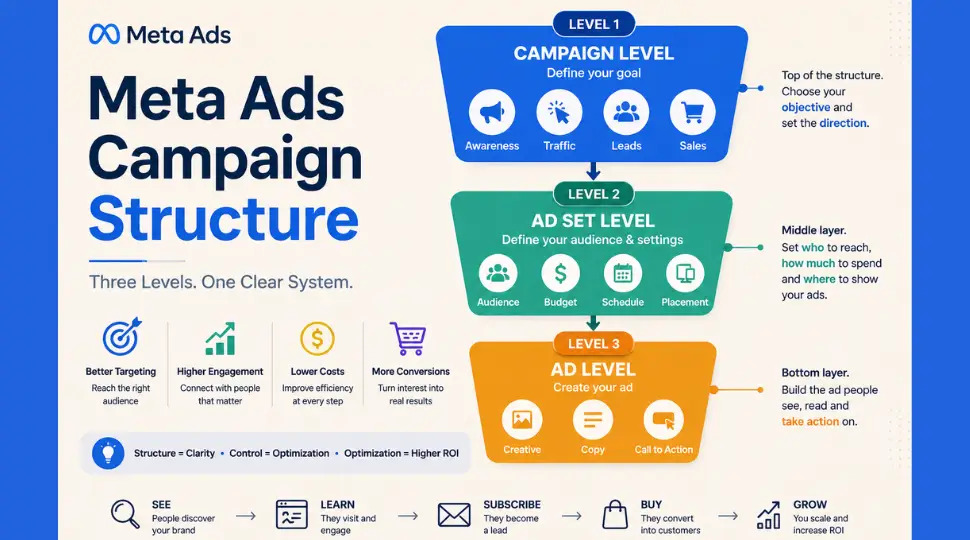
The Ideal Meta Ads Campaign Structure for eCommerce
A simplified account structure often outperforms complicated campaign setups.
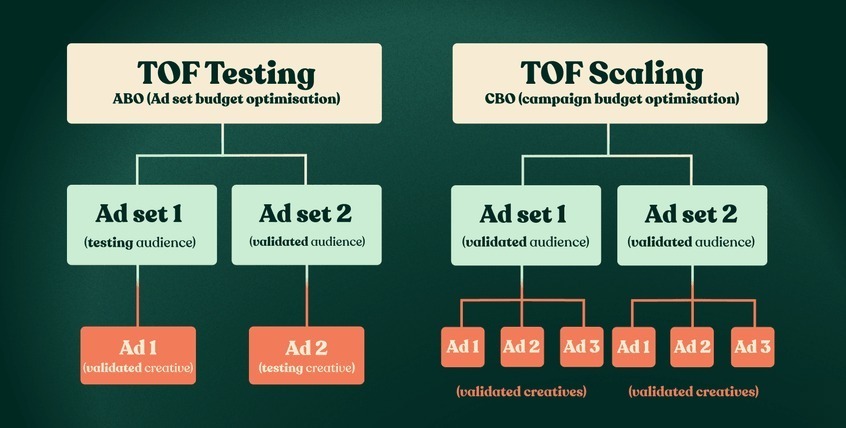
Campaign 1: Creative Testing Campaign
Objective:
- Find winning creatives quickly
Structure:
- Broad audience
- Multiple ad variations
- Different hooks
- Different formats
Test:
- UGC videos
- Product demonstrations
- Founder stories
- Customer testimonials
- Problem-solution videos
- Comparison videos
The goal is to identify winning messaging before increasing spend.
Campaign 2: Scaling Campaign
Objective:
- Maximize purchases
Audience:
- Broad targeting
- Advantage+ Shopping Campaigns
- High-performing lookalikes
Only move proven creatives into this campaign.
Campaign 3: Retargeting Campaign
Objective:
- Recover lost conversions
Audiences:
- Website visitors
- Add to Cart users
- Checkout initiators
- Video viewers
- Instagram engagers
Retargeting often delivers the highest ROAS within the account.
Use Broad Audiences for Better Scaling
Meta's machine learning capabilities have become significantly more advanced.
Many successful brands now scale using:
- Broad targeting
- Advantage+ audiences
- Minimal interest targeting
Instead of narrowing audiences, focus on feeding the algorithm with:
- Strong creative
- High-quality conversion data
- Consistent purchase volume
The algorithm performs best when given flexibility.
Creative Testing: The Real Driver of Scale
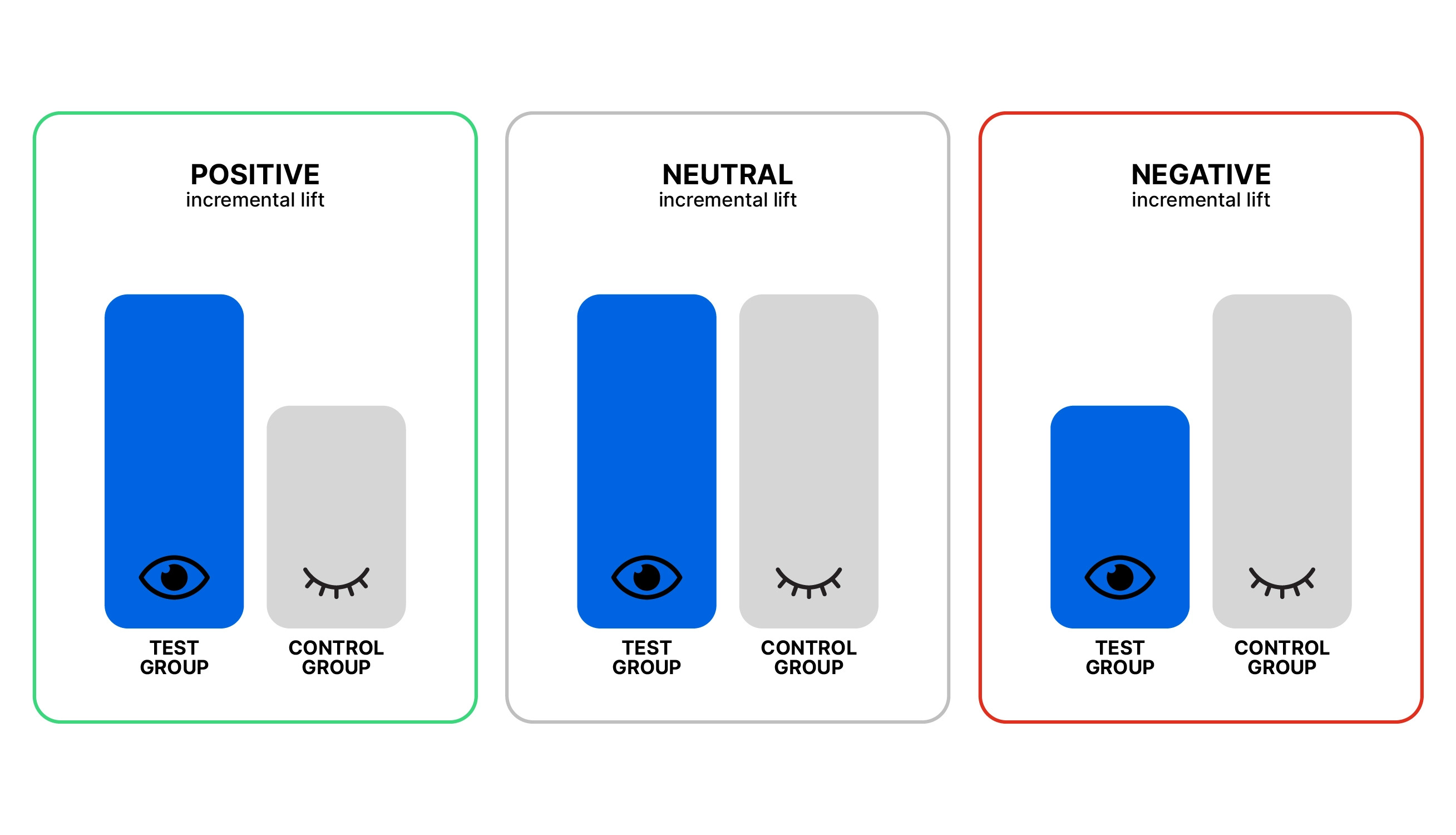
Creative performance is often responsible for more than 70% of campaign success.
Winning brands test new creatives every week.
What to Test
Hooks
Examples:
- "Tired of paying too much for..."
- "Most people make this mistake..."
- "Here's why customers are switching..."
Formats
- UGC videos
- Founder videos
- Product demonstrations
- Before-and-after content
- Customer testimonials
- Lifestyle videos
Angles
- Pain points
- Benefits
- Savings
- Social proof
- Product quality
- Convenience
The biggest mistake brands make is scaling budgets while running the same creatives for months.
Budget Scaling Strategies That Actually Work
Vertical Scaling
Increase campaign budgets gradually.
Recommended increase:
- 10% to 20% every 48-72 hours
Avoid doubling budgets overnight.
Example:
- ₹5,000/day
- ₹6,000/day
- ₹7,200/day
- ₹8,500/day
This allows Meta to maintain optimization stability.
Horizontal Scaling
Create additional opportunities to spend.
Methods include:
- Launch new creative sets
- Test new audiences
- Create new campaign variations
- Expand into additional geographies
Horizontal scaling is often safer than aggressive budget increases.
Leverage Advantage+ Shopping Campaigns
Advantage+ Shopping Campaigns have become one of the most effective ways to scale eCommerce accounts.
Benefits include:
- Automated audience discovery
- Dynamic optimization
- Lower management complexity
- Improved conversion efficiency
Many stores now allocate 50-80% of total spend to Advantage+ campaigns while maintaining separate testing campaigns.
Retention Marketing Improves Scaling Efficiency
Acquiring new customers is only part of the growth equation.
Retention channels include:
- Email marketing
- SMS marketing
- Loyalty programs
- Subscription programs
- Upsell campaigns
The higher your customer lifetime value, the more aggressively you can scale acquisition campaigns.
For broader growth strategies, explore our Performance Marketing Services.
Key Metrics to Monitor While Scaling
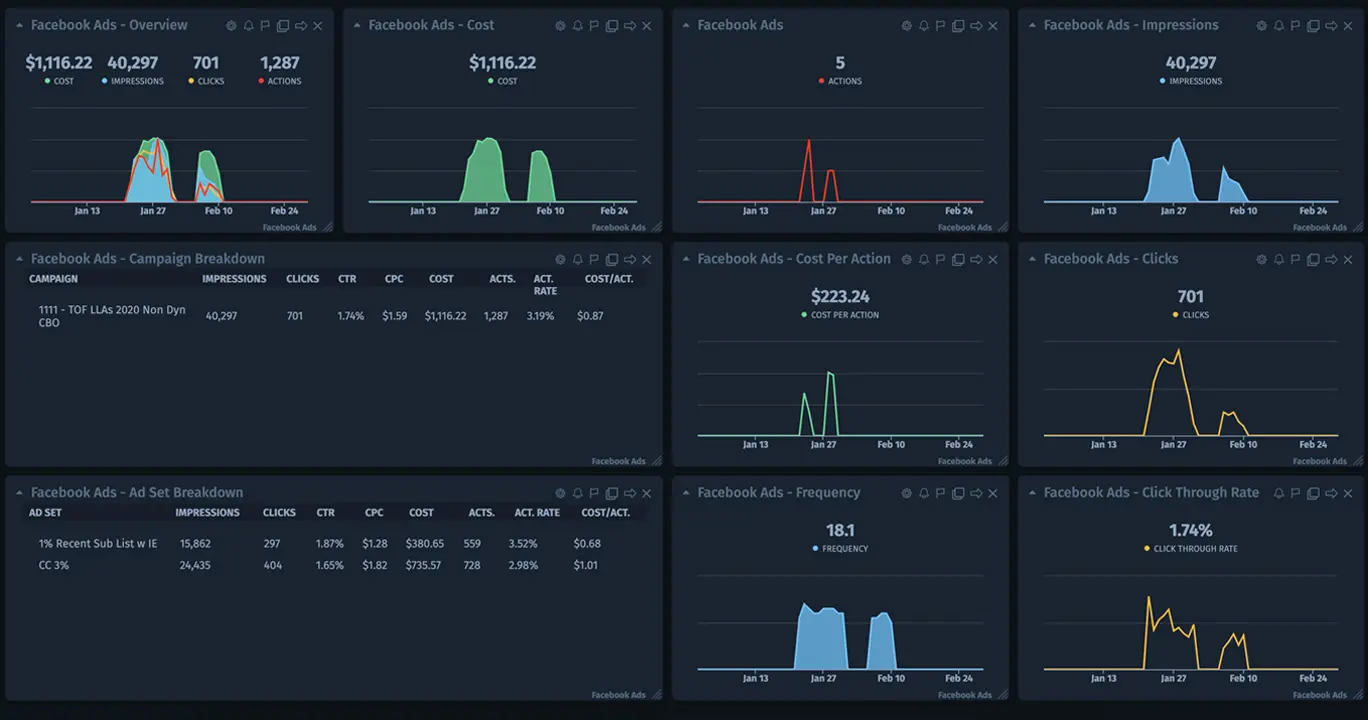
Focus on business metrics rather than vanity metrics.
Primary KPIs
- ROAS
- Cost Per Purchase
- Customer Acquisition Cost (CAC)
- Revenue
- Profit Margin
- Average Order Value (AOV)
Secondary KPIs
- CTR
- CPC
- CPM
- Add to Cart Rate
- Checkout Rate
Many advertisers optimize for clicks while profitable brands optimize for purchases and profitability.
Common Scaling Mistakes to Avoid
Scaling Too Fast
Large budget increases often reset learning and hurt performance.
Ignoring Creative Fatigue
Even winning ads eventually decline.
Overcomplicating Campaign Structure
Simple structures usually outperform complex account setups.
Focusing Only on ROAS
ROAS should be viewed alongside profit margins and customer lifetime value.
Weak Landing Pages
More traffic will not fix a poor conversion experience.
A Proven Scaling Framework
Here's a practical framework used by many successful eCommerce brands:
Phase 1: Validation
Spend: ₹1,000-₹5,000/day
Goal: Find winning creatives and products.
Phase 2: Optimization
Spend: ₹5,000-₹20,000/day
Goal: Improve conversion rates and identify top-performing audiences.
Phase 3: Scaling
Spend: ₹20,000+/day
Goal: Increase budget gradually while launching fresh creatives weekly.
Phase 4: Expansion
Goal:
- New product launches
- New countries
- New customer segments
- Omnichannel growth
This framework helps maintain profitability while increasing revenue.
Final Thoughts
Meta Ads remains one of the most powerful channels for eCommerce growth, but successful scaling requires more than increasing budgets.
The brands achieving consistent growth focus on:
- Strong tracking infrastructure
- Continuous creative testing
- Broad audience strategies
- Conversion optimization
- Retention marketing
- Data-driven decision making
When these components work together, scaling becomes predictable and profitable.
If you're looking to grow your eCommerce store through paid advertising, explore our Meta Ads Management Services, Performance Marketing Services, or visit Scale With Clicks to learn how Scale With Clicks helps businesses scale revenue through performance marketing.
Frequently Asked Questions (FAQs)
How much should I spend on Meta Ads for an eCommerce store?
Most brands start with ₹1,000-₹5,000 per day to validate products and creatives. Once profitability is established, budgets can be scaled gradually.
What is a good ROAS for eCommerce Meta Ads?
A good ROAS depends on margins, but many brands aim for 3x to 5x ROAS while maintaining profitability.
Should I use Advantage+ Shopping Campaigns?
Yes. Advantage+ Shopping Campaigns have become one of the most effective options for scaling eCommerce businesses due to Meta's automation capabilities.
How often should I launch new creatives?
Ideally, test new creatives every week to avoid creative fatigue and maintain performance.
Is broad targeting better than interest targeting?
For many eCommerce brands, broad targeting combined with strong creatives and accurate conversion tracking outperforms heavily restricted interest-based audiences.
What is the biggest mistake when scaling Meta Ads?
Increasing budgets too aggressively without refreshing creatives is one of the most common reasons for performance decline.