Google Ads
Best Google Ads Strategy for Local Businesses in 2026
Category: Google Ads
If you're running a local business in 2026 and still relying on outdated marketing tactics, you're leaving serious money on the table.
Search behavior has changed. Competition has increased. And most importantly—Google Ads has evolved.
Today, winning with Google Ads isn’t about spending more. It’s about being smarter with strategy, targeting, and conversion systems.
In this guide, you'll learn the exact Google Ads strategy local businesses should follow in 2026 to generate consistent, high-quality leads.
Why Google Ads Still Works for Local Businesses
Despite the rise of social media, Google remains the highest-intent traffic source.
When someone searches:
- “dentist near me”
- “best gym in [city]”
- “home cleaning services”
They are ready to take action.
That’s why businesses that master local Google Ads strategy outperform competitors consistently.
If you're new to ads, you might want to first understand how campaigns actually work in this detailed guide:
👉 Google Ads Setup Guide
The Biggest Mistake Local Businesses Make
Most local businesses run ads like this:
- Broad targeting
- No clear funnel
- Sending traffic to homepage
- No follow-up
And then they say:
“Google Ads doesn’t work.”
The truth?
It’s not the platform. It’s the strategy.
🔥 The Best Google Ads Strategy for 2026
Let’s break it down into a simple, high-converting system.
1. Focus on High-Intent Keywords (Not Broad Traffic)
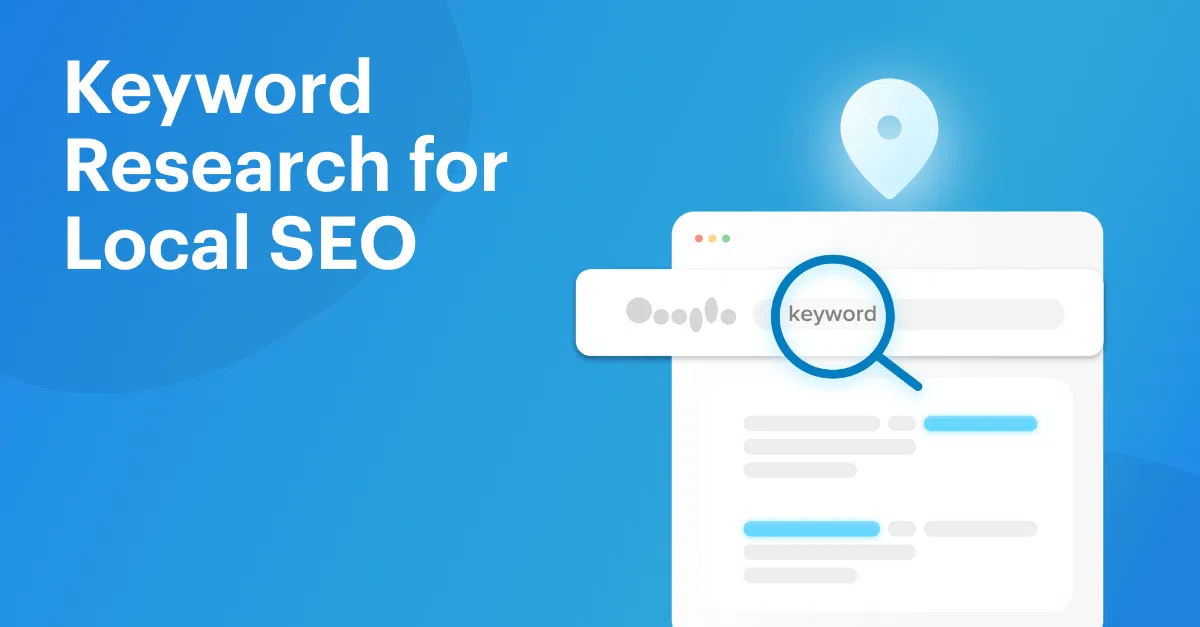
Stop targeting generic keywords like:
- “fitness”
- “marketing”
- “plumber”
Instead, go hyper-specific:
- “best gym in Lucknow”
- “Google Ads agency for local business”
- “emergency plumber near me”
These are called high-intent keywords, and they convert much better.
👉 If your ads aren’t converting, this could be one of the reasons explained here:
👉 Why Google Ads Not Converting
2. Use Location-Based Campaign Structure
In 2026, geo-targeting is everything.
Instead of running one campaign for all locations:
Create separate campaigns for each area:
- Lucknow Campaign
- Kanpur Campaign
- Delhi Campaign
Why?
- Better relevance
- Higher Quality Score
- Lower cost per lead
3. Write Ads That Match User Intent
Your ad copy should feel like it’s written specifically for the user.
Bad ad:
“Best Services Available. Contact Us Now.”
Good ad:
“Top-Rated Home Cleaning in Lucknow – Book Same-Day Service”
See the difference?
Your ad must include:
- Keyword
- Location
- Benefit
- CTA
4. Never Send Traffic to Homepage
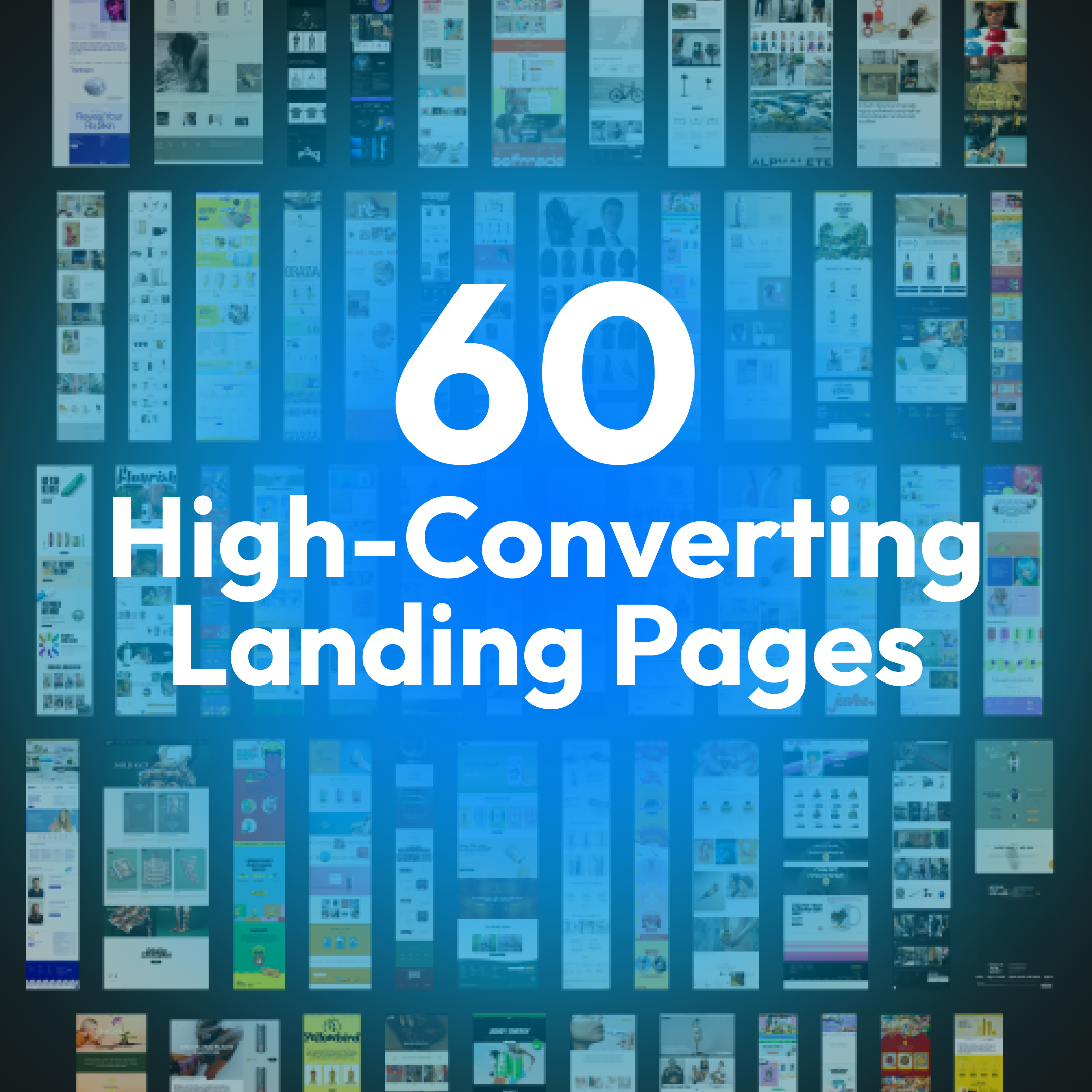
This is where most businesses lose money.
Sending paid traffic to your homepage = conversion killer
Instead, use:
- Dedicated landing pages
- Clear offer
- Single goal (call or form)
If you want better results, focus on building a proper system like explained here:
👉 Lead Generation System
5. Build a Simple Funnel (Not Just Ads)
Google Ads alone won’t grow your business.
You need a complete funnel:
- Ad → attracts user
- Landing page → captures lead
- Follow-up → nurtures
- Sales → converts
Without this, you’re just buying clicks—not customers.
6. Use Call Extensions & Local Assets
In 2026, local ads are not just about clicks—they’re about calls and actions.
Make sure you use:
- Call extensions
- Location extensions
- Google Business Profile integration
This increases:
- Trust
- Click-through rate
- Conversions
7. Track Everything (No Guesswork)
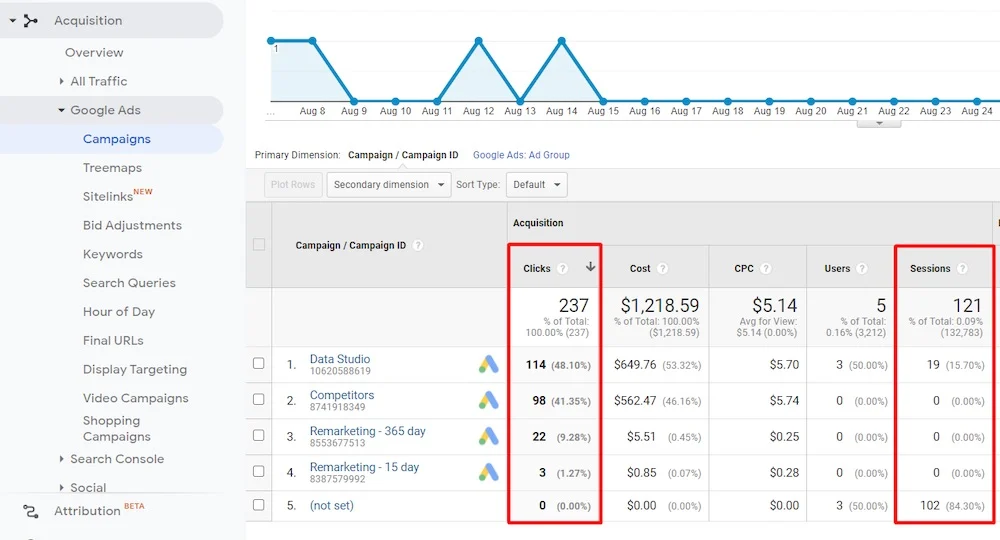
If you’re not tracking, you’re gambling.
You must track:
- Cost per lead (CPL)
- Conversion rate
- Call tracking
- Keyword performance
Without data, you cannot scale.
8. Optimize Weekly (Not Monthly)
Google Ads is not “set and forget.”
Winning businesses:
- Pause bad keywords
- Increase budget on winners
- Test new ad copies
Consistency here is what separates profitable campaigns from wasted budgets.
9. Retargeting is a Goldmine
Most people don’t convert on first visit.
That’s why retargeting is crucial.
You can:
- Show ads again to visitors
- Offer discounts
- Build trust
This alone can increase conversions by 30–50%.
10. Use Smart Bidding (But With Data)
In 2026, AI-driven bidding works—but only if you feed it data.
Start with:
- Manual CPC (initial phase)
Then move to: - Maximize Conversions
- Target CPA
Don’t rely blindly on automation.
Real Example: What Actually Works
Let’s say you run a local gym.
Winning setup:
- Campaign: “Gym in Lucknow”
- Keywords: “best gym near me”, “join gym Lucknow”
- Ad: “Join Best Gym in Lucknow – Free Trial Available”
- Landing page: Offer + form
- Follow-up: WhatsApp + call
This simple system can generate consistent daily leads.
The Future of Local Google Ads
In 2026, success depends on:
- Personalization
- Automation + human strategy
- Fast response time
- Strong offers
Businesses that adapt will dominate.
Those who don’t… will keep burning money.
Final Thoughts
Google Ads is still one of the most powerful lead generation tools for local businesses.
But only when used correctly.
If you:
- Target the right keywords
- Build proper funnels
- Track data
- Optimize consistently
You won’t just get leads—you’ll build a predictable growth system.
🚀 Want Better Results From Google Ads?
If you’re serious about scaling your business with Google Ads, don’t rely on guesswork.
👉 Visit our homepage:
👉 Scale With Clicks
👉 Explore our services:
👉 Services
Or read more strategies here:
👉 Scale With Clicks Blog
❓ FAQs
What is the best Google Ads strategy for local businesses?
A combination of high-intent keywords, location targeting, landing pages, and follow-up systems.
How much should a local business spend on Google Ads?
It depends on competition, but starting with ₹500–₹1500/day is common for testing.
Do Google Ads work for small businesses?
Yes, especially for local businesses targeting ready-to-buy customers.
Why are my Google Ads not generating leads?
Common reasons include poor targeting, weak landing pages, and no follow-up system.