SEO
Keyword Research for Beginners - Step-by-Step Guide (2026)


Category: SEO
Keyword Research for Beginners (Step-by-Step Guide to Finding Keywords That Drive Traffic)
Keyword research is the foundation of every successful SEO strategy. Whether you're running a business website, an eCommerce store, or a blog, understanding what your audience is searching for helps you create content that ranks and attracts qualified traffic.
Many beginners make the mistake of creating content first and then trying to optimize it later. The better approach is to start with keyword research so your content aligns with actual search demand.
In this guide, you'll learn how to do keyword research step by step, discover profitable keywords, understand search intent, and build a content strategy that helps your website grow organically.
What Is Keyword Research?
Keyword research is the process of finding and analyzing the words and phrases people type into search engines like Google.
For example:
- "digital marketing agency"
- "best SEO company"
- "Google Ads management services"
- "keyword research for beginners"
These phrases are called keywords.
When you understand which keywords your target audience uses, you can create content that answers their questions and solves their problems.
If you're building your online presence, it's worth understanding how SEO works alongside services like Search Engine Optimization Services and Google Ads Management Services.
Why Keyword Research Matters
Effective keyword research helps you:
- Drive relevant organic traffic
- Understand customer needs
- Discover content opportunities
- Improve rankings on Google
- Generate more leads and sales
- Build a long-term SEO strategy
Without keyword research, you're essentially guessing what your audience wants.
Businesses that consistently rank on Google spend significant time identifying the right keywords before publishing content.
For example, before creating a guide on local SEO, you should know whether users search for "local SEO services," "Google Business Profile optimization," or "local SEO checklist."
Understanding Search Intent
Before choosing keywords, you need to understand search intent.
Search intent refers to the reason behind a search query.
1. Informational Intent
Users want information.
Examples:
- What is SEO?
- How does Google Ads work?
- Keyword research guide
These keywords are perfect for blog content.
Related Reading:
2. Navigational Intent
Users are looking for a specific website.
Examples:
- Scale With Clicks
- Google Search Console
- Ahrefs login
3. Commercial Intent
Users are researching solutions.
Examples:
- Best SEO agency
- Best keyword research tools
- Top Google Ads consultants
4. Transactional Intent
Users are ready to take action.
Examples:
- Hire SEO agency
- Buy SEO software
- Google Ads management services
These keywords often have the highest conversion potential.
Step 1: Identify Your Main Topics
Start by brainstorming topics related to your business.
For example, if you run a digital marketing agency, your topic list might include:
- SEO
- Google Ads
- Web Design
- Content Marketing
- Local SEO
- Conversion Rate Optimization
Each topic can generate dozens or even hundreds of keyword opportunities.
If you're offering multiple marketing solutions, reviewing your core offerings on the Scale With Clicks can help you identify relevant content clusters.
Step 2: Create Seed Keywords
Seed keywords are broad terms related to your business.
Examples:
SEO:
- SEO services
- SEO agency
- search engine optimization
Google Ads:
- Google Ads
- PPC advertising
- paid search
Content Marketing:
- content marketing
- blog writing
- content strategy
These keywords act as starting points for deeper research.
Step 3: Use Keyword Research Tools
Several tools can help uncover keyword opportunities.
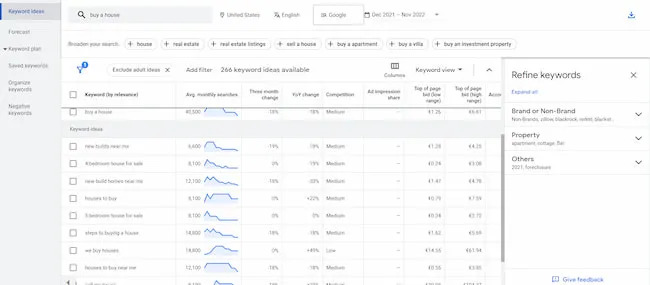
Google Keyword Planner
Google Keyword Planner is free and provides:
- Search volume estimates
- Competition levels
- Keyword suggestions

Google Autocomplete
Type a keyword into Google and review the suggestions.
For example:
"keyword research..."
Google may suggest:
- keyword research tools
- keyword research for SEO
- keyword research guide
- keyword research process
These suggestions come directly from real user searches.
Ahrefs
Ahrefs provides:
- Keyword difficulty
- Search volume
- Ranking opportunities
- Competitor analysis
SEMrush
SEMrush helps identify:
- Competitor keywords
- Content gaps
- Ranking opportunities

If you're interested in improving visibility beyond SEO, you may also want to explore insights from our guide on Google Ads Mistakes That Waste Budget.
Step 4: Analyze Search Volume
Search volume indicates how many times a keyword is searched each month.
Example:
| Keyword | Monthly Searches |
|---|---|
| SEO | 90,000+ |
| SEO agency | 12,000+ |
| local SEO services | 4,000+ |
| SEO consultant near me | 800+ |
Higher volume isn't always better.
Many high-volume keywords are extremely competitive.
Step 5: Check Keyword Difficulty
Keyword difficulty estimates how hard it is to rank for a keyword.
As a beginner, focus on:
- Low competition keywords
- Long-tail keywords
- Local search terms
Instead of targeting:
"SEO"
Target:
"SEO services for small businesses"
or
"local SEO services in India"
These are easier to rank for and often convert better.
Step 6: Find Long-Tail Keywords
Long-tail keywords are longer, more specific phrases.
Examples:
Short-tail:
- SEO
Long-tail:
- SEO services for startups
- affordable SEO agency for small business
- how to improve website rankings
Benefits of long-tail keywords:
- Lower competition
- Higher conversion rates
- Better targeting
Many successful websites build traffic primarily through long-tail keywords.
Step 7: Analyze Competitor Keywords
Your competitors have already done part of the research.
Study:
- Their top-ranking pages
- Blog topics
- Service pages
- Frequently used keywords
Look for:
- Content gaps
- Missing topics
- Underserved keywords
This strategy can reveal opportunities that keyword tools might miss.
You can also review how established agencies structure service pages such as Google Ads Management Services and Local SEO Services.
Step 8: Group Keywords Into Clusters
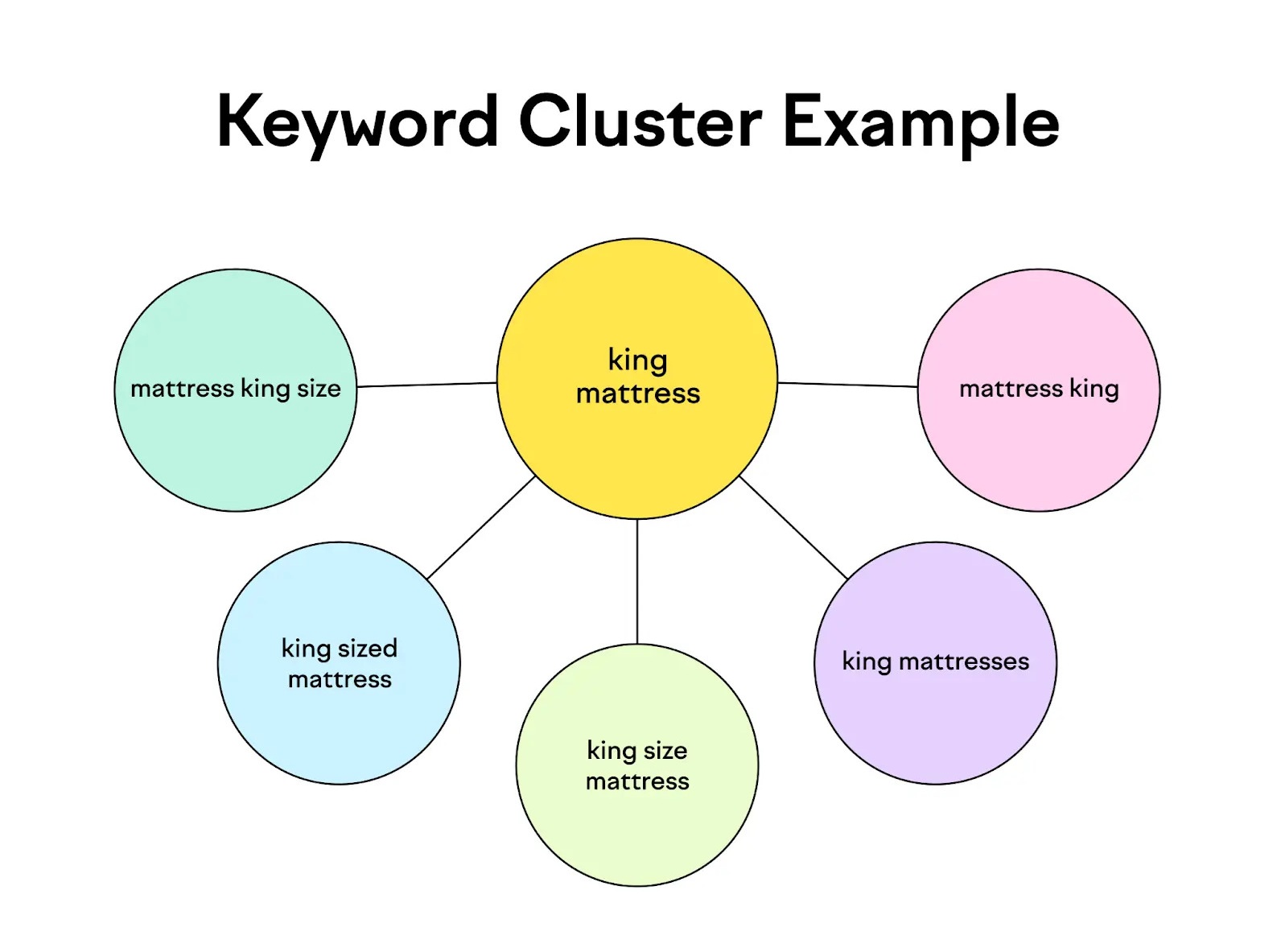
Rather than creating one page for every keyword, group similar keywords together.
Example:
Primary Keyword:
- keyword research
Related Keywords:
- keyword research tools
- keyword research guide
- SEO keyword research
- how to find keywords
These can all be targeted within one comprehensive article.
This approach helps build topical authority.
Step 9: Match Keywords to Content Types
Different keywords require different content formats.
| Keyword Type | Content Type |
|---|---|
| How-to keywords | Blog posts |
| Product keywords | Landing pages |
| Comparison keywords | Comparison articles |
| Service keywords | Service pages |
| Local keywords | Location pages |
Examples:
Blog:
- How to Do Keyword Research
Service Page:
- SEO Services
Comparison:
- Ahrefs vs SEMrush
Step 10: Prioritize Keywords
Not all keywords deserve equal attention.
Focus on keywords that have:
- Relevant search intent
- Reasonable competition
- Business value
- Traffic potential
A keyword with 200 searches and high buyer intent can be more valuable than a keyword with 10,000 searches and low intent.
Common Keyword Research Mistakes
Targeting Only High-Volume Keywords
Large search volumes often come with intense competition.
Ignoring Search Intent
Ranking is difficult if your content doesn't match what users expect.
Keyword Stuffing
Avoid repeating keywords unnaturally.
Google prioritizes helpful content.
Ignoring Long-Tail Keywords
Many businesses overlook highly targeted searches that drive qualified traffic.
Not Updating Research
Search behavior changes over time.
Review keyword opportunities regularly.
Example Keyword Research Workflow
Here's a simple process beginners can follow:
- Select a topic.
- Create seed keywords.
- Use keyword tools.
- Analyze search volume.
- Review keyword difficulty.
- Identify long-tail opportunities.
- Analyze competitors.
- Group keywords.
- Create content.
- Track rankings and refine.
Following this workflow consistently can significantly improve your SEO performance over time.
Best Keyword Research Tools for Beginners
Free Tools
- Google Keyword Planner
- Google Search Console
- Google Trends
- Google Autocomplete
- AnswerThePublic
Paid Tools
- Ahrefs
- SEMrush
- Ubersuggest
- Moz
- Keyword Insights
Each tool offers unique insights, but beginners can achieve excellent results using free tools initially.
Final Thoughts
Keyword research is one of the most important SEO skills you can learn. It helps you understand your audience, create relevant content, and attract qualified traffic to your website.
The goal isn't simply to find keywords with the highest search volume. Instead, focus on keywords that match user intent and support your business objectives.
Start with basic keyword research, create helpful content around those keywords, and continue refining your strategy as your website grows.
Over time, a strong keyword research process becomes the foundation of sustainable organic growth.
For businesses looking to accelerate their SEO results, combining strategic keyword research with professional SEO Services can help identify opportunities and execute a long-term growth plan.
Frequently Asked Questions (FAQs)
What is keyword research in SEO?
Keyword research is the process of identifying and analyzing search terms people use on Google so you can create content that matches their needs and improves your rankings.
Which is the best free keyword research tool?
Google Keyword Planner is one of the best free keyword research tools. Google Trends, Search Console, and Google Autocomplete are also valuable resources.
How many keywords should I target per page?
Focus on one primary keyword and several closely related secondary keywords that naturally fit the content.
What are long-tail keywords?
Long-tail keywords are specific search phrases containing three or more words. They usually have lower competition and higher conversion potential.
How often should I do keyword research?
Keyword research should be an ongoing process. Review your keywords every few months to identify new opportunities and changing search trends.
Is keyword research important for local businesses?
Yes. Local keyword research helps businesses rank for location-based searches and attract nearby customers looking for specific services.
Can I rank without keyword research?
It's possible, but keyword research significantly improves your chances of ranking by ensuring your content aligns with actual user searches.
What is search intent?
Search intent is the reason behind a user's search query. Understanding intent helps create content that better satisfies users and ranks higher in search results.