SEO
On-Page SEO Checklist for 2026

Category: SEO
On-Page SEO Checklist for 2026
Ranking on Google in 2026 is no longer about stuffing keywords into pages and hoping for the best.
Search engines have become smarter. Google now focuses heavily on:
- Search intent
- Content quality
- User experience
- Topical authority
- Engagement signals
- Page speed
- Internal linking
If your website isn’t optimized properly, even great content may struggle to rank.
That’s why having a strong on-page SEO strategy matters more than ever.
Whether you're running a business website, blog, eCommerce store, or local service company, this complete on-page SEO checklist for 2026 will help you improve rankings and increase organic traffic.
If you’re new to SEO, you should also read our guide on How to Rank on Google Fast.
What Is On-Page SEO?
On-page SEO refers to all the optimizations you make directly on your website pages to improve search engine rankings.
This includes:
- Title tags
- Meta descriptions
- Headers
- URL structure
- Internal links
- Images
- Keyword optimization
- User experience
- Content quality
Unlike off-page SEO, which focuses on backlinks and authority, on-page SEO is completely under your control.
Why On-Page SEO Matters in 2026
Google’s algorithms now prioritize websites that provide the best user experience.
A poorly optimized page may struggle even if the content is good.
Strong on-page SEO helps:
- Improve keyword rankings
- Increase organic traffic
- Reduce bounce rates
- Improve click-through rates
- Increase engagement
- Help Google understand your content
Businesses investing in proper SEO optimization are seeing higher-quality leads without depending entirely on ads.
If you're comparing SEO with paid traffic, check out our detailed guide on SEO vs Google Ads: Which One Should You Choose?.
Complete On-Page SEO Checklist for 2026
1. Use One Primary Keyword Per Page
Every page should target one main keyword.
Examples:
- On-page SEO checklist
- SEO checklist 2026
- On-page SEO optimization
- SEO optimization tips
Your primary keyword should appear naturally in:
- Title
- URL
- First paragraph
- Headings
- Meta description
- Image alt text
Avoid keyword stuffing.
Google now understands context better than exact repetition.
2. Write Better Title Tags
Your title tag is one of the most important ranking factors.
A strong SEO title should:
- Include the target keyword
- Be under 60 characters
- Create curiosity
- Clearly explain the page
Good Example:
On-Page SEO Checklist for 2026: Complete Beginner Guide
Bad Example:
SEO Tips SEO Tricks SEO Ranking Guide
Avoid spammy titles.
3. Optimize Meta Descriptions
Meta descriptions improve click-through rate (CTR).
Best practices:
- Keep under 160 characters
- Include keyword naturally
- Make users want to click
- Explain the value clearly
Example:
Learn the complete on-page SEO checklist for 2026 to improve Google rankings, increase traffic, and optimize your website effectively.
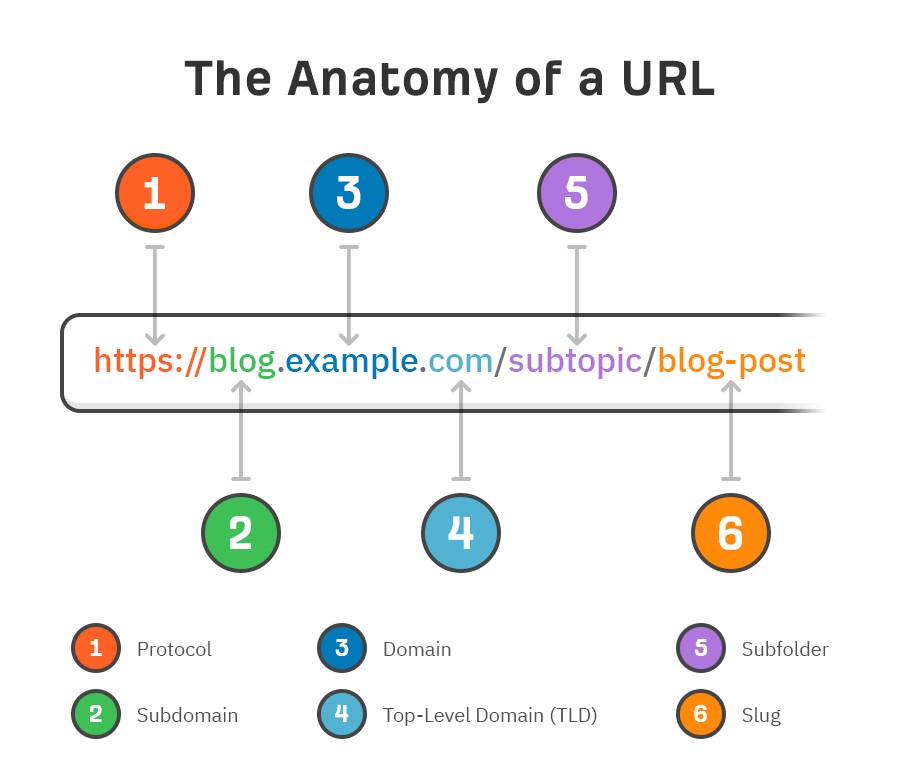
4. Create SEO-Friendly URLs
Keep URLs:
- Short
- Clean
- Readable
- Keyword-rich
Good URL:
/on-page-seo-checklist-2026
Bad URL:
/blog/post?id=2847&seo=page
Short URLs usually perform better in search results.
5. Use Proper Heading Structure
Your content should follow a clean structure.
Use:
- H1 for page title
- H2 for main sections
- H3 for sub-sections
This helps:
- Users scan content easily
- Google understand content hierarchy
Never use multiple H1 tags unnecessarily.
6. Improve Content Quality
Thin content rarely ranks anymore.
Google favors content that is:
- Helpful
- Detailed
- Well-structured
- Original
- Experience-driven
Good SEO content should answer user intent completely.
This is why long-form content often performs better.
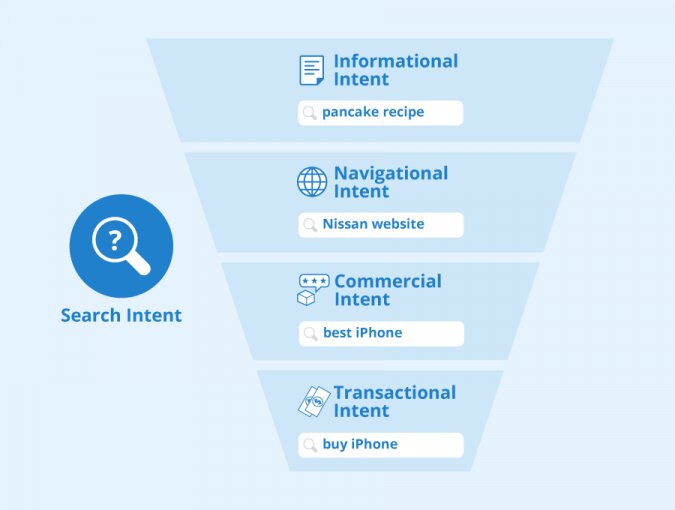
7. Optimize for Search Intent
Many websites fail because they target keywords without understanding intent.
Ask yourself:
What does the user actually want?
Examples:
Informational Intent
- “What is SEO?”
- “How does Google ranking work?”
Commercial Intent
- “Best SEO agency”
- “SEO services pricing”
Transactional Intent
- “Hire SEO expert”
- “Book SEO consultation”
Understanding intent helps improve rankings dramatically.
8. Add Internal Links Strategically
Internal linking is extremely powerful for SEO.
It helps:
- Pass authority between pages
- Improve crawlability
- Increase time on site
- Improve rankings
For example:
If you're learning SEO fundamentals, you should also read our article on 7 Costly Google Ads Mistakes That Are Wasting Your Budget.
You can also explore our homepage at Scale With Clicks for more growth strategies.
9. Optimize Images Properly
Large images slow down websites.
Image optimization checklist:
- Compress images
- Use descriptive file names
- Add alt text
- Use WebP when possible
- Lazy load images
Example Alt Text:
alt="On-page SEO optimization strategy"
Optimized images improve:
- Page speed
- Accessibility
- Image SEO
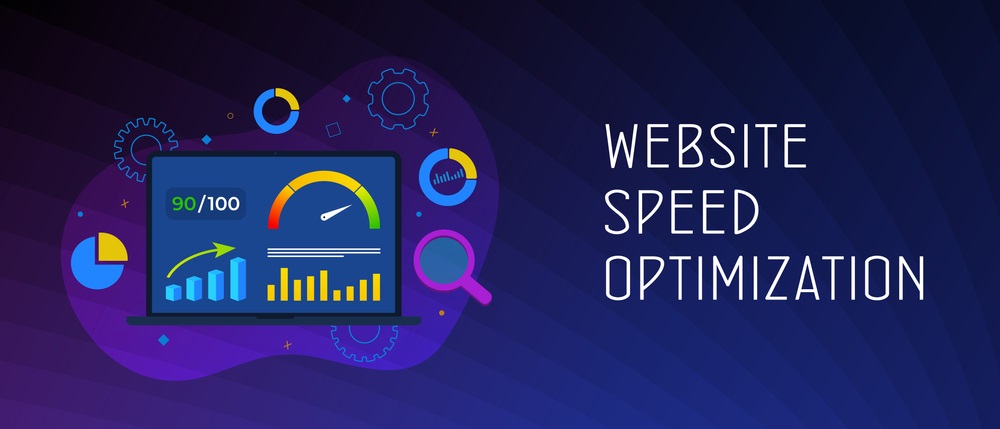
10. Improve Page Speed
Page speed is now a major ranking factor.
Slow websites hurt:
- Rankings
- Conversions
- User experience
Ways to improve speed:
- Compress images
- Use CDN
- Reduce JavaScript
- Optimize fonts
- Minify CSS
- Use caching
Google prioritizes fast-loading websites.
11. Make Your Website Mobile Friendly
Most searches now happen on mobile devices.
Your website must:
- Load fast on phones
- Have readable text
- Use responsive design
- Avoid intrusive popups
Google uses mobile-first indexing.
A poor mobile experience can destroy rankings.
12. Add Schema Markup
Schema helps search engines understand your content better.
It can improve:
- Rich snippets
- FAQ visibility
- CTR
- Search appearance
Useful schema types:
- Article schema
- FAQ schema
- Breadcrumb schema
- Organization schema
Schema won’t magically rank your page—but it improves visibility.
13. Optimize Content Readability
Readable content keeps users engaged.
Best practices:
- Short paragraphs
- Bullet points
- Clear headings
- Simple language
- White space
Avoid huge walls of text.
14. Add FAQ Sections
FAQs help target long-tail keywords.
Example:
What is on-page SEO?
On-page SEO refers to optimizing elements directly on your website to improve rankings.
Why is on-page SEO important?
It helps search engines understand your content and improves user experience.
FAQ sections also increase chances of ranking for voice searches.
15. Focus on EEAT
Google heavily emphasizes EEAT:
- Experience
- Expertise
- Authoritativeness
- Trustworthiness
Ways to improve EEAT:
- Add author bios
- Show real experience
- Use trustworthy sources
- Publish helpful content consistently
16. Update Old Content Regularly
Freshness matters.
Updating content can improve rankings significantly.
Update:
- Statistics
- Examples
- Screenshots
- Keywords
- Internal links
Google favors actively maintained websites.
17. Optimize for Featured Snippets
Featured snippets can drive massive traffic.
To improve chances:
- Answer questions directly
- Use lists
- Use tables
- Keep answers concise
Example:
What is on-page SEO?
On-page SEO is the process of optimizing website pages to improve search rankings and user experience.
18. Reduce Bounce Rate
High bounce rates can hurt engagement signals.
Improve engagement by:
- Writing strong introductions
- Using visuals
- Adding internal links
- Improving design
- Making pages easier to read
19. Use Strong CTAs
SEO traffic should convert into leads.
Include calls-to-action like:
- Contact us
- Book consultation
- Explore services
- Read related blogs
If you want help scaling your traffic and leads, visit our Digital Marketing Services.
20. Track SEO Performance
You can’t improve what you don’t measure.
Use tools like:
- Google Search Console
- Google Analytics
- Ahrefs
- SEMrush
Track:
- Rankings
- CTR
- Organic traffic
- Bounce rate
- Conversions
SEO is an ongoing process—not a one-time task.
Final Thoughts
On-page SEO in 2026 is about creating the best possible experience for both users and search engines.
Websites that focus only on keywords without improving usability, speed, and content quality will struggle to rank.
If you follow this on-page SEO checklist consistently, you’ll build a stronger foundation for long-term organic growth.
Focus on:
- Helpful content
- Strong structure
- Better UX
- Internal linking
- Fast performance
- Search intent
SEO takes time—but the results compound over the long run.
Frequently Asked Questions
What is on-page SEO?
On-page SEO is the process of optimizing content and website elements to improve search engine rankings.
Is on-page SEO still important in 2026?
Yes. On-page SEO remains one of the most important ranking factors for Google.
How long does SEO take to work?
SEO usually takes 3–6 months to show strong results depending on competition and consistency.
What is the most important on-page SEO factor?
Content quality and search intent optimization are among the most important factors today.
Does internal linking help SEO?
Yes. Internal links improve crawlability, authority flow, and user engagement.
✍️ About the Author
Vinay Yadav
Founder of Scale With Clicks
Helping businesses grow with SEO, Google Ads, and performance marketing systems.