SEO
Why Your Website Is Not Ranking on Google

Category: SEO
Why Your Website Is Not Ranking on Google
Launching a website is easy. Getting it to rank on Google is where the real challenge begins.
Many businesses invest heavily in designing a beautiful website, publishing content, and even running ads, but still fail to appear on the first page of Google. The result? Low traffic, poor leads, and disappointing sales.
If your website is not ranking on Google, it does not always mean your business is bad or your services are poor. In most cases, the issue lies in SEO mistakes, technical problems, weak content, or poor optimization strategies.
In this guide, we’ll break down the most common reasons why websites fail to rank and what you can do to fix them.
1. Your Website Is New
One of the biggest reasons websites do not rank quickly is simply because they are new.
Google takes time to trust new domains. Search engines analyze your website’s content quality, user experience, authority, backlinks, and consistency before giving it higher rankings.
A new website usually goes through a “Google Sandbox” period where rankings remain low for weeks or even months.
What You Should Do
- Publish high-quality content consistently
- Optimize every page properly
- Build backlinks gradually
- Improve website speed
- Keep updating your blog regularly
If you want to understand how websites grow faster in search results, check out our detailed guide on how to rank on Google fast.
2. Your Website Is Not Properly Indexed
If Google cannot index your pages, they simply will not appear in search results.
Sometimes website owners accidentally block search engines using:
noindextags- Incorrect robots.txt settings
- Broken sitemap configurations
How to Check
Search this on Google:
site:yourwebsite.com
If your pages are not appearing, indexing may be the problem.
Fix
- Submit your sitemap in Google Search Console
- Remove accidental noindex tags
- Ensure important pages are crawlable
- Fix broken internal links
You should also regularly audit your website’s SEO health and technical structure to improve indexing and rankings.
3. You Are Targeting the Wrong Keywords
Many websites fail because they target keywords that are:
- Too competitive
- Too broad
- Irrelevant to user intent
For example, ranking for “digital marketing” is extremely difficult for newer websites. However, targeting long-tail keywords like:
- “best SEO agency for local businesses”
- “Google Ads expert in India”
- “how to improve website ranking”
can produce faster results.
Smart Keyword Strategy
Focus on:
- Low competition keywords
- Long-tail phrases
- Location-based keywords
- Buyer intent searches
Businesses that combine SEO with properly optimized PPC campaigns usually see faster online growth. You can explore our Google Ads management services to improve targeted traffic and conversions.
4. Your Content Is Thin or Low Quality
Google prioritizes content that provides real value.
If your website pages have:
- Very little text
- Duplicate content
- AI-generated fluff
- Keyword stuffing
- Poor readability
then rankings will suffer.
What Google Wants
Google rewards content that:
- Solves user problems
- Answers search intent
- Includes expertise
- Has clear formatting
- Provides depth and originality
Improve Your Content By
- Writing detailed blog posts
- Using headings properly
- Adding FAQs
- Including statistics and examples
- Updating old content regularly
Publishing high-quality SEO-focused articles consistently can significantly improve organic visibility over time.
5. Your Website Is Slow
Page speed is a confirmed ranking factor.
A slow-loading website creates a poor user experience, increases bounce rates, and reduces engagement.
Common Speed Issues
- Large image sizes
- Cheap hosting
- Excessive plugins
- Unoptimized code
- Heavy scripts
How to Improve Website Speed
- Compress images
- Use caching
- Minify CSS and JavaScript
- Upgrade hosting
- Use a CDN
Google prefers websites that load quickly on both desktop and mobile devices.
To know more you can visit Scale With Clicks
6. Your Website Is Not Mobile-Friendly
More than half of all searches happen on mobile devices.
If your website does not work properly on smartphones, rankings can drop significantly.
Signs of Poor Mobile Optimization
- Text too small to read
- Buttons too close together
- Slow mobile speed
- Broken layouts
- Horizontal scrolling
Solution
Use responsive web design and test your site using Google’s Mobile-Friendly Test.
A professionally optimized website structure improves both SEO performance and user experience.
7. You Have Poor On-Page SEO
On-page SEO helps Google understand what your pages are about.
Without proper optimization, your content may never rank even if it is valuable.
Essential On-Page SEO Elements
Title Tags
Every page should have a unique and keyword-focused title.
Meta Descriptions
Write compelling descriptions that encourage clicks.
Header Tags
Use H1, H2, and H3 tags properly.
Internal Linking
Link relevant pages naturally within content.
Image Optimization
Use descriptive alt text and compressed images.
You can also improve website visibility by combining SEO with conversion-focused digital campaigns and optimized landing pages.
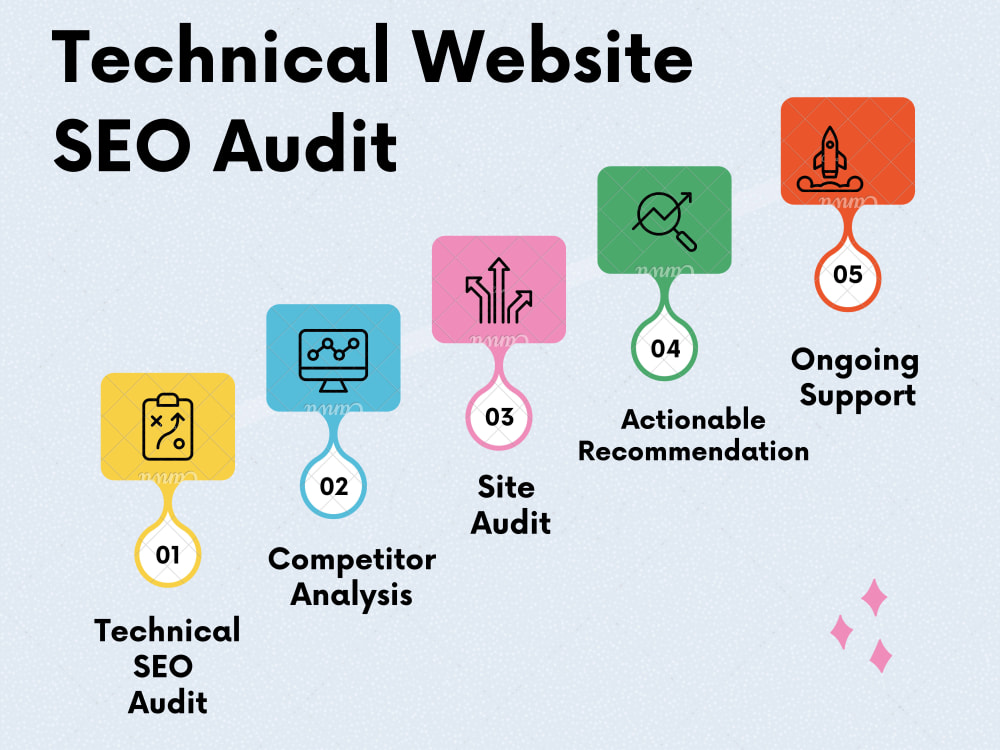
8. Your Website Has Technical SEO Problems
Technical SEO issues can silently destroy rankings.
Common Technical SEO Issues
- Broken pages (404 errors)
- Duplicate URLs
- Redirect loops
- Crawl errors
- Missing canonical tags
- HTTPS issues
Tools to Identify Problems
- Google Search Console
- Screaming Frog
- Ahrefs Site Audit
- SEMrush
Regular technical audits are essential for long-term SEO growth.
9. You Do Not Have Quality Backlinks
Backlinks remain one of Google’s strongest ranking factors.
If reputable websites link to your pages, Google sees your site as trustworthy.
Why Many Websites Fail
- No backlink strategy
- Spammy backlinks
- Purchased low-quality links
- No outreach efforts
How to Build Better Backlinks
- Guest posting
- Digital PR
- Publishing useful resources
- Creating shareable content
- Networking with industry blogs
Avoid shortcuts because low-quality backlinks can harm rankings instead of improving them.
If you are building long-term search visibility, having a proper SEO strategy is just as important as running paid campaigns.
10. Your Website Has Poor User Experience
Google monitors user behavior signals such as:
- Bounce rate
- Time on site
- Click-through rate
- Page engagement
If visitors leave quickly, Google may assume your content is not useful.
Improve User Experience By
- Making navigation simple
- Improving readability
- Using clear calls-to-action
- Reducing popups
- Improving page speed
A good user experience supports both SEO and conversions.
11. You Are Ignoring Local SEO
For local businesses, local SEO is critical.
If your business serves a specific city or region, you need:
- Google Business Profile optimization
- Local citations
- Location-based keywords
- Customer reviews
Example Keywords
- SEO agency in Delhi
- Google Ads services in Mumbai
- Digital marketing company near me
Local SEO can drive highly targeted traffic with strong conversion potential.
12. Your Competitors Are Doing Better SEO
Sometimes your website is not ranking simply because competitors are outperforming you.
They may have:
- Better content
- More backlinks
- Stronger domain authority
- Faster websites
- Better keyword targeting
What You Should Do
Study competitor websites carefully:
- Analyze their top pages
- Review their backlink profile
- Observe keyword usage
- Check content quality
Then create something better, more detailed, and more useful.
13. You Expect SEO Results Too Quickly
SEO is not instant.
Unlike paid advertising, organic rankings take time to build. Depending on your industry and competition, noticeable results can take:
- 3 to 6 months
- Sometimes longer for competitive keywords
Consistency matters more than shortcuts.
Businesses that continuously publish quality content and improve SEO gradually outperform competitors over time.
14. Your Website Lacks Content Consistency
Many businesses publish a few blogs and stop completely.
Google favors websites that consistently update their content.
Build a Content Strategy
Publish:
- Blog posts
- Industry guides
- FAQs
- Case studies
- Tutorials
Regular publishing signals activity and authority to search engines.
You can also explore more SEO and digital marketing insights on the Scale With Clicks Blog.
15. You Are Not Tracking SEO Performance
Without analytics, you cannot improve SEO effectively.
Essential SEO Tracking Tools
- Google Analytics
- Google Search Console
- Ahrefs
- SEMrush
Track:
- Organic traffic
- Keyword rankings
- Bounce rates
- Conversion rates
- Indexed pages
Monitoring helps identify what is working and what needs improvement.
Final Thoughts
If your website is not ranking on Google, the problem is usually a combination of SEO mistakes rather than a single issue.
Improving rankings requires:
- Better content
- Strong technical SEO
- Keyword optimization
- Quality backlinks
- Faster website performance
- Consistent publishing
SEO is a long-term investment, but when done correctly, it can become one of the most profitable traffic sources for your business.
Whether you are running an ecommerce store, service-based business, or local company, focusing on proper optimization strategies can steadily improve your visibility and lead generation over time.
If you are looking to improve organic traffic, lead generation, and search visibility, explore our complete digital marketing services.
FAQs
Why is my website not showing on Google?
Your website may not be indexed, may have technical SEO issues, or may lack optimized content and backlinks.
How long does SEO take to work?
SEO usually takes 3 to 6 months to show significant results, depending on competition and website quality.
Can a slow website affect rankings?
Yes. Slow-loading websites negatively impact user experience and can reduce Google rankings.
Why are my competitors ranking higher than me?
Competitors may have stronger backlinks, better content, higher authority, and better technical SEO optimization.
Does mobile optimization matter for SEO?
Absolutely. Google uses mobile-first indexing, meaning mobile performance heavily affects rankings.
Are backlinks still important in SEO?
Yes. High-quality backlinks remain one of the strongest ranking factors in Google’s algorithm.
How often should I publish blog content?
Consistent publishing is recommended. Posting high-quality content weekly or bi-weekly can help improve SEO over time.