Google Ads
10 Google Ads Mistakes Wasting Your Budget in 2026

Category: Google Ads
10 Common Google Ads Mistakes That Waste Budget
Running Google Ads can generate high-quality leads and sales, but even a well-funded campaign can fail when basic mistakes go unnoticed. Many businesses spend thousands of rupees every month without understanding why clicks are increasing but conversions are not.
The problem usually isn't the platform — it’s the campaign structure, targeting, tracking, or optimization strategy.
If your campaigns are underperforming, these common Google Ads mistakes could be silently draining your ad budget.
Before launching or scaling campaigns, make sure your website and tracking systems are properly configured. Businesses often ignore the importance of conversion tracking setup, which makes it impossible to measure actual ROI from ads.
1. Running Ads Without Conversion Tracking
One of the biggest mistakes advertisers make is running campaigns without proper conversion tracking.
If you are not tracking:
- Form submissions
- Phone calls
- Purchases
- WhatsApp clicks
- Lead events
…then you are essentially guessing which campaigns are working.
Many business owners focus only on clicks and impressions while ignoring actual conversion data.
A proper Google Ads management strategy always starts with accurate tracking.
How to Fix It
- Install Google Tag Manager
- Connect GA4 with Google Ads
- Track every important conversion action
- Set up enhanced conversions
- Import conversions into Google Ads
You can also read our detailed guide on why conversion tracking is important for businesses
2. Using Broad Match Keywords Without Optimization
Broad match keywords can consume your budget very quickly if they are not monitored regularly.
For example, if you run:
digital marketing services
Google may show ads for:
- Free marketing tools
- Job searches
- Courses
- Internship queries
This leads to irrelevant clicks and wasted ad spend.
How to Fix It
Use:
- Phrase match keywords
- Exact match keywords
- Smart keyword grouping
- Search intent analysis
Also maintain a strong negative keyword list.
If you're targeting local businesses, consider reading our guide on Google Ads Strategies for Local Businesses to combine paid and organic visibility effectively.
3. Ignoring Negative Keywords
Negative keywords are essential for preventing irrelevant traffic.
Without negative keywords, your ads may appear for:
- Cheap
- Free
- Tutorial
- Course
- Job
- Internship
These searches usually do not convert into paying customers.
How to Fix It
Create a negative keyword list from:
- Search term reports
- Competitor analysis
- Industry trends
- User intent research
Update your list every week to improve campaign efficiency.
Businesses looking to improve ad performance often combine Google Ads with SEO services for long-term lead generation.
4. Sending Traffic to a Poor Landing Page
Even perfectly optimized ads fail when the landing page experience is weak.
Common landing page issues include:
- Slow loading speed
- No call-to-action
- Poor mobile design
- Weak headlines
- Too much clutter
- Confusing layout
Google also considers landing page quality while calculating Quality Score.
How to Fix It
Your landing page should:
- Load within 3 seconds
- Be mobile responsive
- Have a clear CTA
- Include trust signals
- Match ad intent
- Use conversion-focused copy
5. Not Optimizing Campaigns Regularly
Many advertisers launch campaigns and leave them untouched for weeks.
Google Ads requires constant optimization:
- Bid adjustments
- Keyword refinement
- Ad testing
- Device optimization
- Audience analysis
- Budget allocation
Without optimization, performance declines over time.
How to Fix It
Review campaigns weekly:
- Pause low-performing keywords
- Improve CTR
- Analyze search terms
- Test new creatives
- Adjust bidding strategies
Our digital marketing services help businesses continuously optimize campaigns for better ROI.
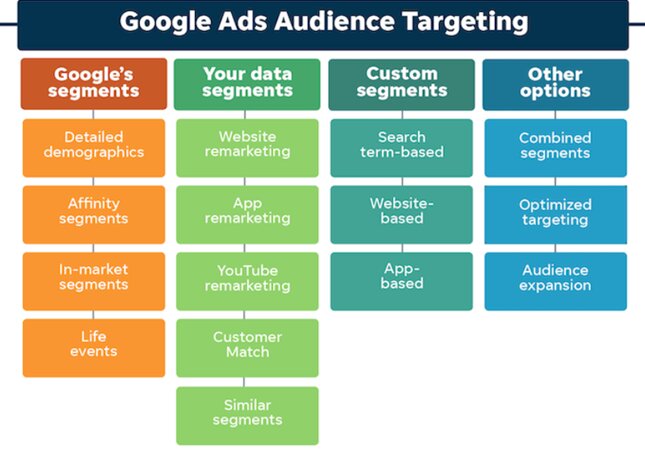
6. Targeting Too Large of an Audience
Trying to target everyone usually results in poor conversions.
For example:
- Nationwide targeting for a local service business
- Generic audiences
- No demographic filtering
- No audience segmentation
This increases cost-per-click without improving results.
How to Fix It
Use:
- Location targeting
- Device targeting
- Age segmentation
- Custom audiences
- Remarketing audiences
Smaller targeted audiences often outperform broad campaigns.
7. Ignoring Mobile Users
Most searches today happen on mobile devices, yet many businesses still optimize only for desktop users.
A poor mobile experience can destroy conversion rates.
Common Mobile Issues
- Buttons too small
- Slow loading pages
- Broken forms
- Hard-to-read content
- Poor navigation
How to Fix It
Ensure:
- Mobile-friendly design
- Fast page speed
- Click-to-call buttons
- Simplified forms
- Responsive layouts
8. Writing Weak Ad Copy
Many ads fail because the copy does not connect with the user’s intent.
Weak ads usually:
- Sound generic
- Lack urgency
- Have no clear benefit
- Ignore emotional triggers
How to Fix It
Write ads that include:
- Benefits
- Pain points
- Strong CTAs
- Keywords in headlines
- Social proof
- Offers or guarantees
Example:
- ❌ “Best Digital Marketing Agency”
- ✅ “Generate More Leads with ROI-Focused Google Ads Campaigns”
Good ad copy can significantly improve CTR and Quality Score.
9. Not Using Remarketing Campaigns
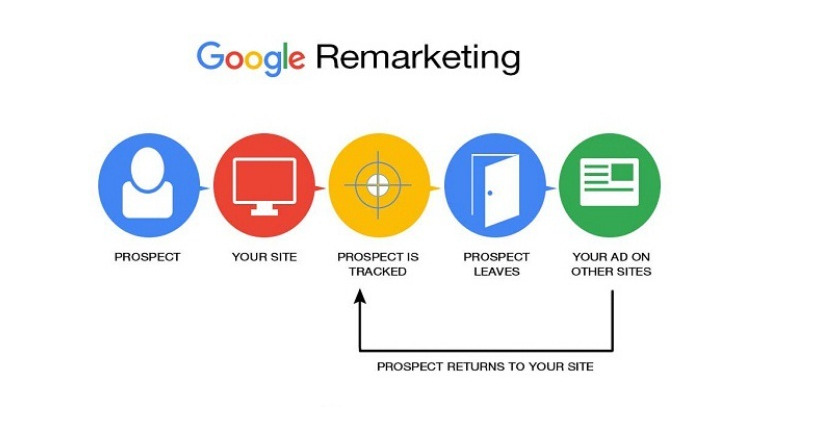
Most users do not convert on the first visit.
Without remarketing, you lose potential customers who were already interested in your business.
How to Fix It
Set up remarketing campaigns for:
- Website visitors
- Cart abandoners
- Previous leads
- Video viewers
- Engaged users
Remarketing usually delivers:
- Lower CPC
- Higher conversions
- Better ROI
Businesses that combine remarketing with social media marketing often see stronger brand recall and engagement.
10. Focusing Only on Clicks Instead of ROI
More clicks do not always mean better performance.
A campaign with:
- 100 clicks and 10 conversions can outperform:
- 1,000 clicks and 2 conversions
The real goal should always be:
- Leads
- Sales
- Revenue
- Return on ad spend
How to Fix It
Monitor:
- Cost per conversion
- Conversion rate
- ROAS
- Lead quality
- Revenue generated
Avoid vanity metrics and focus on actual business growth.
Bonus Tips to Improve Google Ads Performance
Here are a few extra optimization tips:
Use Ad Extensions
Include:
- Call extensions
- Sitelinks
- Structured snippets
- Location extensions
Improve Quality Score
Focus on:
- Relevant keywords
- Better landing pages
- High CTR
- Strong ad relevance
A/B Test Everything
Test:
- Headlines
- CTAs
- Landing pages
- Bidding strategies
- Ad creatives
Track Phone Calls
Many businesses forget phone call tracking, especially local service providers.
Final Thoughts
Google Ads can become one of the most profitable marketing channels for your business — but only when campaigns are structured properly.
Most businesses lose money not because Google Ads doesn't work, but because they:
- Skip tracking
- Ignore optimization
- Target the wrong audience
- Use weak landing pages
- Focus on vanity metrics
Fixing these mistakes can dramatically improve:
- Conversion rates
- Lead quality
- ROI
- Cost efficiency
If you are struggling with poor ad performance, our team at Scale With Clicks can help you build high-converting campaigns backed by accurate tracking and performance-focused optimization.
Explore our:
FAQs
Why is my Google Ads budget getting exhausted quickly?
Your budget may be getting exhausted due to:
- Broad keywords
- Poor targeting
- Missing negative keywords
- Low Quality Score
- High competition
Proper optimization and tracking can reduce wasted spend.
How often should Google Ads campaigns be optimized?
Ideally, campaigns should be reviewed weekly. High-budget campaigns may require daily monitoring and optimization.
What is the biggest Google Ads mistake?
Running campaigns without conversion tracking is one of the biggest mistakes because it prevents accurate performance measurement.
Do negative keywords really help?
Yes. Negative keywords prevent irrelevant searches from triggering your ads, which helps improve ROI and reduce wasted clicks.
Can landing pages affect Google Ads performance?
Absolutely. Landing page quality directly impacts:
- Conversion rates
- Quality Score
- Cost per click
- User experience
Should small businesses invest in Google Ads?
Yes, when campaigns are properly optimized. Google Ads can generate highly targeted leads for local and online businesses.
Is SEO better than Google Ads?
Both strategies work differently:
- SEO helps long-term organic growth
- Google Ads provides immediate visibility
Combining both usually produces the best results.
How can I improve my Google Ads ROI?
You can improve ROI by:
- Tracking conversions
- Improving landing pages
- Using better targeting
- Testing ad copy
- Optimizing campaigns regularly