Google Ads
How to Reduce Cost Per Click in Google Ads (2026 Guide)

Category: Google Ads
How to Reduce Cost Per Click in Google Ads (2026 Guide)
Running Google Ads is one of the fastest ways to generate qualified traffic and leads, but rising competition has made one challenge common for almost every advertiser — increasing cost per click (CPC).
Many businesses assume that the only way to get better results is by increasing their advertising budget. However, experienced marketers know that reducing your Google Ads CPC is not about spending less; it’s about spending smarter.
With the right account structure, keyword strategy, landing page optimization, and bidding approach, you can lower your cost per click while maintaining or even improving conversion quality.
At Scale With Clicks, we help brands optimize their Google Ads campaigns to maximize ROI rather than simply increase spending through data-driven performance marketing strategies.
In this complete 2026 guide, you’ll learn practical techniques to reduce your CPC and get more conversions from the same budget.
Why Is Your Google Ads Cost Per Click Increasing?
Before reducing CPC, it is important to understand what causes high click costs.
Some of the most common reasons include:
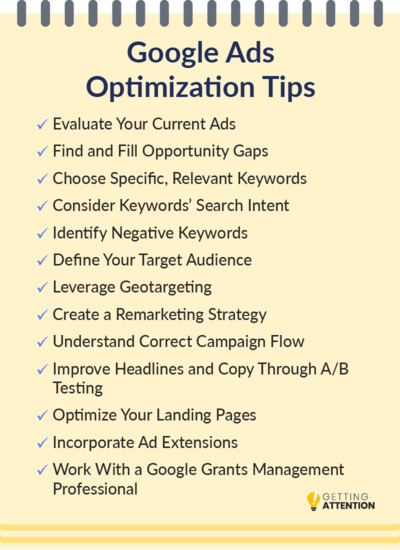
- Low Quality Scores
- Highly competitive keywords
- Broad keyword targeting
- Poor ad relevance
- Weak landing page experience
- Low expected click-through rate (CTR)
- Inefficient bidding strategies
- Irrelevant search terms triggering your ads
A detailed Google Ads audit can often reveal hidden issues that are silently increasing your advertising costs.
1. Improve Your Google Ads Quality Score
Quality Score is one of the biggest factors affecting your cost per click.
Google evaluates your ads based on three main factors:
- Expected CTR
- Ad relevance
- Landing page experience
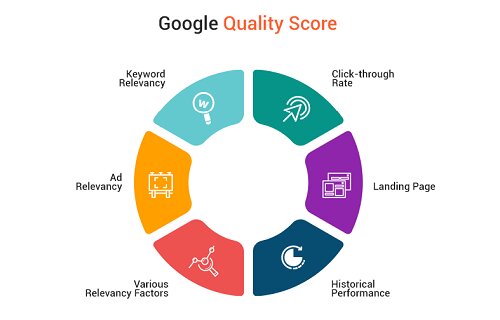
A higher Quality Score can reduce your CPC because Google rewards advertisers who provide a better user experience.
Ways to improve Quality Score:
- Create tightly themed ad groups
- Include your primary keyword in the headline and description
- Write compelling ad copy that improves CTR
- Match your landing page message with your ads
- Improve website speed and mobile experience using effective
For example, if someone searches for "Google Ads management services," your ad and landing page should specifically talk about Google Ads management rather than general digital marketing services.
2. Use Long-Tail Keywords to Lower Competition
Many advertisers compete for broad terms like "digital marketing agency" or "Google Ads."
These keywords usually have higher competition and expensive CPCs.
Instead, target long-tail keywords such as:
- Google Ads agency for ecommerce brands
- Affordable Google Ads management services
- Google Ads experts for small businesses
- Google Ads lead generation company
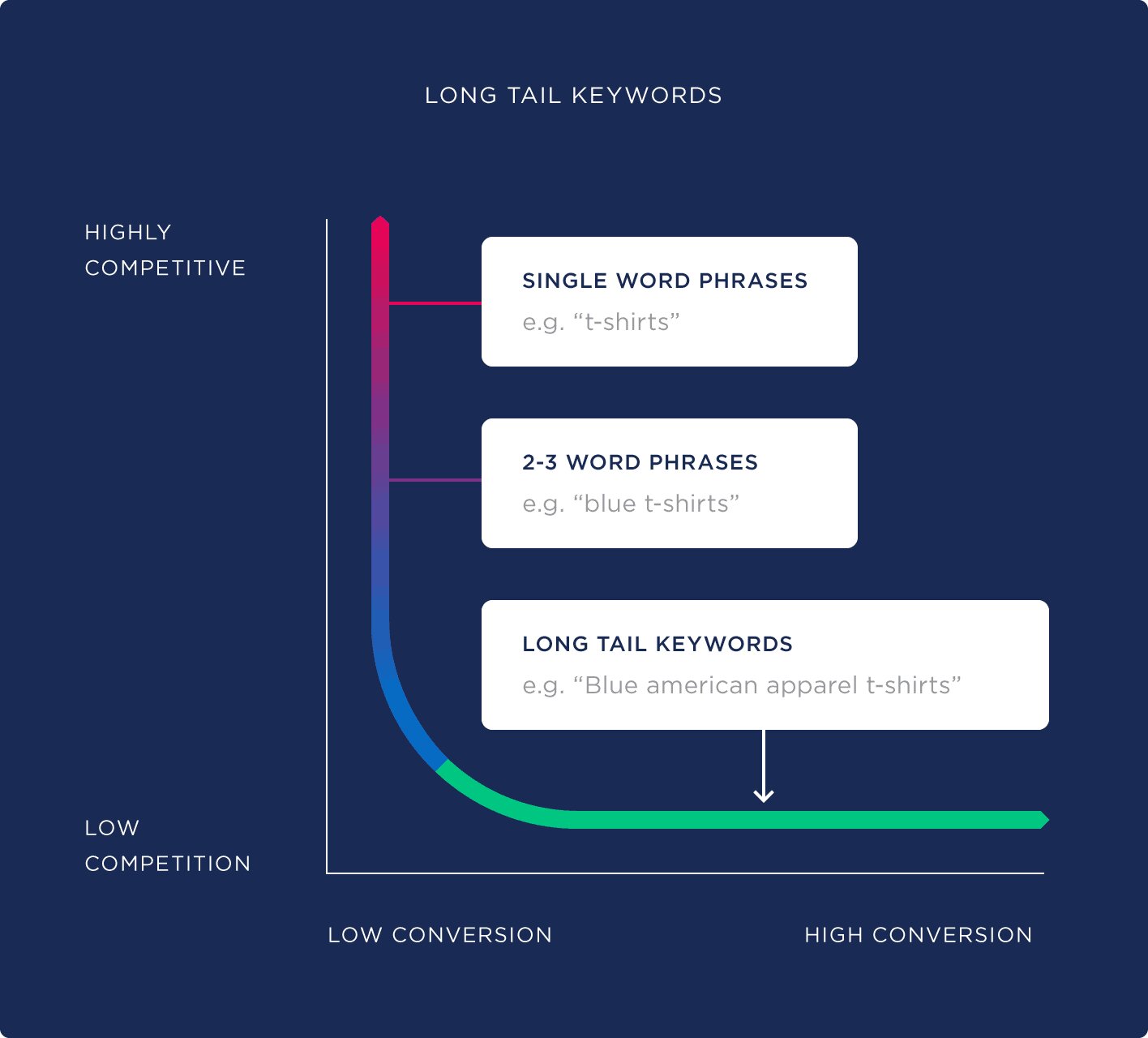
Long-tail keywords typically have:
- Lower competition
- Lower CPC
- Higher buying intent
- Better conversion rates
Finding the right keywords is a crucial part of a successful Google Ads management strategy, helping businesses attract high-intent traffic while keeping advertising costs under control.
Use tools like Google Keyword Planner and Search Terms reports to identify profitable keyword opportunities.
3. Add Negative Keywords Regularly
One of the fastest ways to reduce wasted spend is by adding negative keywords.
For example, if you offer premium Google Ads services, you may want to exclude searches like:
- Free Google Ads help
- Google Ads jobs
- Google Ads course
- Google Ads certification
Without negative keywords, Google may spend your budget on users who are unlikely to become customers.
Make it a habit to review your Search Terms report every week and eliminate irrelevant queries.
If you are unsure which search terms are wasting your budget, working with a professional PPC management service can help identify optimization opportunities, eliminate wasted spend, and improve campaign profitability.
4. Organize Your Campaign Structure Properly
A poorly structured account often leads to low ad relevance and higher CPC.
Your campaigns should be divided based on:
- Services
- Products
- Customer intent
- Locations
- Device targeting
A clean campaign structure allows you to create more relevant ads and landing pages, which is one of the key practices followed by experienced Google Ads specialists.
For example:
Campaign: Google Ads Services
Ad Group 1: Google Ads Management
Ad Group 2: Google Ads Audit
Ad Group 3: Ecommerce Google Ads Services
This improves ad relevance and can contribute to a better Quality Score.
5. Optimize Your Ad Copy for Better CTR
A higher click-through rate signals to Google that your ad is useful to users.
Ads with better CTR often receive better ad rankings at lower costs.
Some proven ad copy techniques include:
- Mention your unique selling point
- Include numbers and statistics
- Highlight experience or results
- Add strong calls-to-action
- Use emotional and benefit-driven language
Instead of writing:
"Professional Google Ads Services"
Try:
"Increase Your Leads With Data-Driven Google Ads Management"
Small improvements in CTR can have a significant impact on your CPC over time.
6. Improve Your Landing Page Experience
Google wants users to have a seamless experience after clicking an ad.
If your landing page is slow, confusing, or irrelevant, your Quality Score may suffer, increasing your CPC.
Focus on:
- Faster loading speed
- Mobile-friendly design
- Clear headlines
- Strong call-to-action buttons
- Trust signals such as testimonials, case studies, and reviews
Your landing page should answer the same promise made in your ad.
Learn more about improving ranking on Google in our guide on how to improve your ranking on Google.
For example, an ad about "Google Ads Audit Services" should lead users directly to an audit-focused page, not your homepage.
7. Adjust Your Bidding Strategy
Choosing the wrong bidding strategy can increase your costs.
Depending on your campaign goals, consider:
- Maximize Conversions
- Target CPA
- Target ROAS
- Manual CPC with enhanced controls
Avoid making frequent changes to your bidding strategy because Google’s machine learning needs time to optimize.
Monitor performance over several weeks before making major adjustments.
Understanding the relationship between budget, bidding strategy, and campaign objectives is essential for long-term profitability. You can read our detailed guide on how much you should spend on Google Ads in 2026.
8. Use Audience Targeting and Exclusions
Not every visitor is equally valuable.
Use audience signals to focus your budget on users who are more likely to convert.
Examples include:
- Previous website visitors
- In-market audiences
- Customer match lists
- High-value demographic segments
You can also exclude audiences that consistently produce poor results.
This helps direct your budget toward profitable clicks.
Businesses looking to build a complete acquisition strategy can combine search advertising with social campaigns through our Meta Ads management services to reach, nurture, and retarget potential customers across Facebook and Instagram.
9. Continuously Test and Optimize
Successful Google Ads campaigns are never truly finished.
The best advertisers continuously test:
- Ad headlines
- Descriptions
- Landing pages
- Keywords
- Bidding strategies
- Audience segments
Small improvements across multiple areas often lead to major reductions in CPC over time.
Optimizing your website experience is equally important for better advertising performance. You can also explore our guide on on-page SEO best practices in 2026 to improve your website’s usability, relevance, and conversion potential.
Common Mistakes That Increase Google Ads CPC
Avoid these common errors:
- Targeting broad keywords without controls
- Ignoring negative keywords
- Sending all traffic to the homepage
- Having a poor mobile experience
- Using generic ad copy
- Making frequent bidding changes
- Not monitoring Search Terms reports
Regular audits can identify these problems before they consume your advertising budget.
How Scale With Clicks Helps Reduce Google Ads Costs
Reducing CPC is not about finding shortcuts; it requires strategic optimization across your entire advertising funnel.
At Scale With Clicks, we analyze:
- Account structure
- Keyword targeting
- Quality Score
- Conversion tracking
- Landing page performance
- Audience targeting
- Bidding strategies
Our goal is simple — help businesses get more qualified leads and better returns from their advertising budget through our data-driven performance marketing services.
If your Google Ads campaigns are generating expensive clicks but not enough conversions, our experienced Google Ads management specialists can help identify the opportunities holding your campaigns back.
Final Thoughts
Increasing competition in 2026 means businesses need to be smarter with their Google Ads optimization.
A lower CPC comes from improving relevance, targeting the right audience, creating better experiences, and continuously testing your campaigns.
By improving Quality Score, using long-tail and negative keywords, optimizing landing pages, and refining your bidding strategy, you can generate more clicks and conversions without continuously increasing your budget.
Want to reduce your Google Ads costs and improve your return on ad spend? Explore our Search Engine Optimization services or contact Scale With Clicks to discover how strategic performance marketing can turn your advertising budget into measurable business growth.
Frequently Asked Questions (FAQs)
1. How can I reduce my cost per click in Google Ads?
You can reduce your Google Ads cost per click (CPC) by improving your Quality Score, targeting high-intent long-tail keywords, adding negative keywords, optimizing your ad copy, improving landing page experience, and refining your bidding strategy.
Google rewards advertisers who create relevant ads and provide a better user experience, which can result in lower CPCs and better ad positions.
2. What is a good CPC for Google Ads in 2026?
There is no universal "good" CPC because it varies depending on your industry, competition, location, and customer lifetime value.
For example, industries like legal, finance, and insurance often have higher CPCs due to intense competition, while niche B2B or local service businesses may achieve lower CPCs.
Instead of focusing only on CPC, businesses should monitor metrics such as conversion rate, cost per acquisition (CPA), and return on ad spend (ROAS) to evaluate campaign profitability.
3. Does a higher Quality Score reduce CPC?
Yes, a higher Google Ads Quality Score can help reduce your cost per click.
Google considers factors such as expected click-through rate (CTR), ad relevance, and landing page experience when calculating Quality Score. Ads with better scores may receive higher ad rankings while paying less per click compared to competitors with lower scores.
4. Do negative keywords help reduce Google Ads costs?
Yes. Negative keywords prevent your ads from showing for irrelevant searches that are unlikely to convert.
For example, a business offering premium Google Ads management services may exclude terms like "free Google Ads course" or "Google Ads jobs" to avoid spending money on unqualified clicks.
Regularly reviewing your Search Terms report and adding negative keywords can significantly reduce wasted ad spend.
5. Should I use automated bidding to lower CPC?
Automated bidding strategies such as Target CPA or Target ROAS can help improve campaign efficiency, but they should be chosen based on your business goals and available conversion data.
For new campaigns with limited data, manual bidding or simpler strategies may provide more control. For mature campaigns with enough conversion history, automated bidding can often improve performance and reduce wasted spend.
6. How often should I optimize my Google Ads campaigns?
Google Ads campaigns should be monitored regularly and optimized based on performance data.
Weekly checks are recommended for reviewing search terms, negative keywords, budget allocation, and ad performance. Larger optimizations, such as bidding strategy changes or landing page updates, should be made based on enough data to avoid disrupting campaign learning.
7. Why is my Google Ads CPC increasing even though my campaigns are performing well?
Your CPC can increase due to higher market competition, seasonal demand, changes in competitor bidding, or rising keyword competition.
Even successful campaigns need continuous optimization to maintain efficiency. Improving Quality Score, expanding keyword opportunities, testing new ad creatives, and improving conversion rates can help offset increasing click costs.
8. Should I focus on lowering CPC or increasing conversions?
Lower CPC is valuable, but it should not be your only goal.
A cheaper click that does not convert has no value. The real objective should be maximizing profitable conversions by balancing CPC, conversion rate, CPA, and ROAS.
Sometimes paying a slightly higher CPC for high-intent traffic can generate better returns than chasing the lowest possible click cost.