SEO
SEO Content Writing - How to Create Content That Ranks (2026)


Category: SEO
SEO Content Writing Guide: How to Create Content That Ranks and Converts in 2026
Creating content is easy.
Creating content that consistently ranks on Google, attracts qualified visitors, and generates leads is where most businesses struggle.
Many websites publish dozens of blog posts every month without seeing meaningful organic traffic because they focus only on writing—not on search intent, content structure, user experience, and SEO best practices.
If your goal is to grow your business through organic search, you need a strategic approach to content writing.
This SEO content writing guide will walk you through everything you need to know—from keyword research to publishing and optimization—so your content performs well in search engines while providing genuine value to readers.
Whether you're a business owner, marketer, blogger, or SEO professional, these proven techniques will help you create content that ranks and converts.
Looking to improve your website's search visibility? Explore our SEO Services to build a long-term organic growth strategy.
What is SEO Content Writing?
SEO content writing is the process of creating valuable, relevant, and search-optimized content that helps search engines understand your pages while providing useful information to users.
Unlike traditional copywriting, SEO writing focuses on balancing two important goals:
- Helping users solve a problem
- Helping search engines understand the topic
Good SEO content naturally incorporates relevant keywords, answers user questions, and offers a great reading experience.
Why SEO Content Writing Matters
Quality content is one of Google's strongest ranking signals.
When your content satisfies search intent, users spend more time on your website, visit multiple pages, and are more likely to convert into leads or customers.
Well-written SEO content can help you:
- Increase organic traffic
- Improve keyword rankings
- Build authority in your niche
- Generate qualified leads
- Reduce paid advertising costs
- Earn high-quality backlinks
- Improve user engagement
Businesses combining excellent content with a strong Google Ads strategy often see better overall marketing performance because SEO and PPC complement each other.
Start with Search Intent
Before writing a single word, understand why someone is searching.
Google wants to rank pages that best satisfy user intent.
Generally, search intent falls into four categories:
Informational
Examples:
- What is SEO?
- SEO Content Writing Guide
- How does Google rank websites?
Commercial
Examples:
- Best SEO agency
- SEO tools comparison
Transactional
Examples:
- Hire SEO expert
- SEO services near me
Navigational
Examples:
- Scale With Clicks
- Google Search Console
Understanding intent helps you create content that Google wants to rank.
Perform Keyword Research
Keyword research helps identify what your audience is searching for.

Instead of targeting only high-volume keywords, focus on a combination of:
- Primary keywords
- Secondary keywords
- Long-tail keywords
- Question-based keywords
- Semantic keywords
For this article, examples include:
Primary Keyword:
- SEO Content Writing Guide
Secondary Keywords:
- SEO content writing
- SEO writing tips
- SEO blog writing
- Content writing for SEO
- SEO copywriting
- SEO article writing
Related keywords improve topical relevance without stuffing keywords unnaturally.
Create an Effective Content Structure
Search engines prefer organized content.
Use clear headings:
- H1
- H2
- H3
- Bullet points
- Numbered lists
- Tables
- FAQs
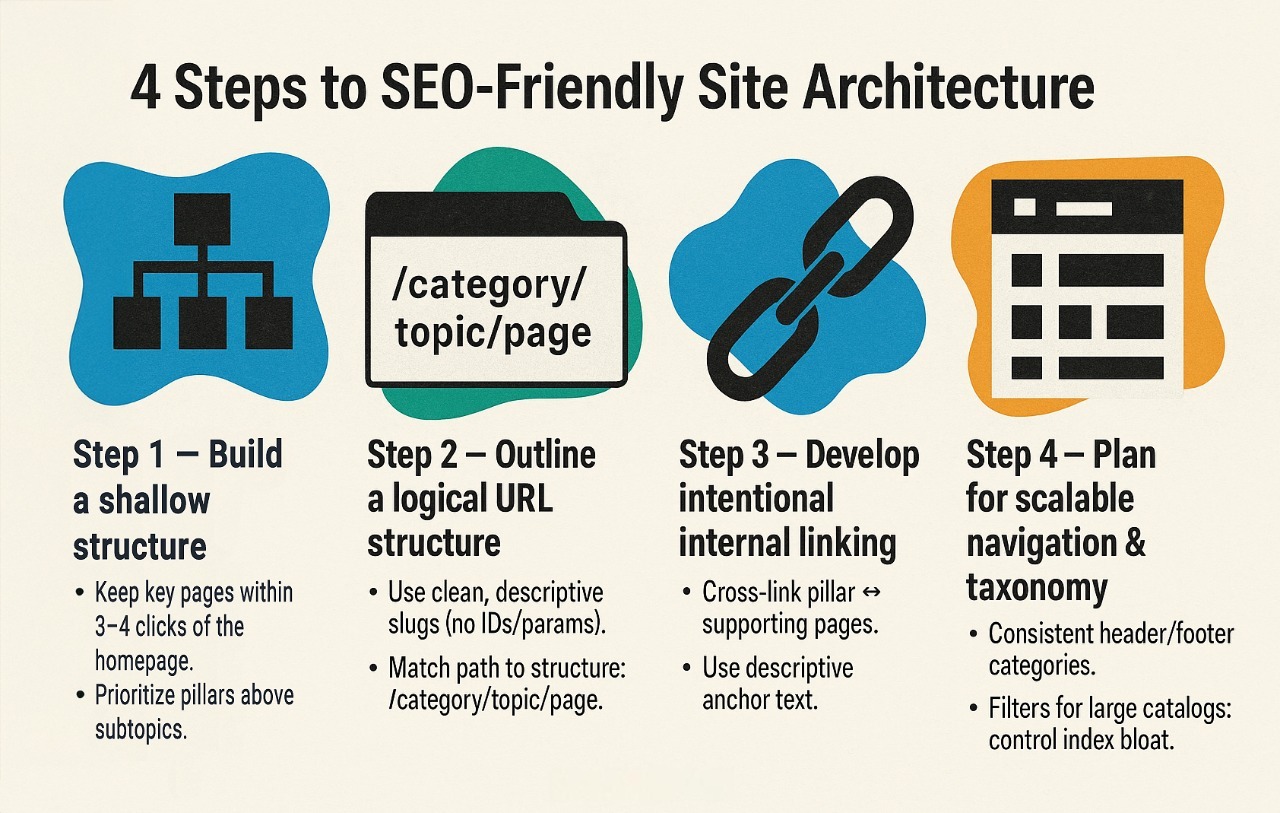
A logical structure improves readability for both users and search engines.
Suggested Content Outline
- Introduction
- What is SEO Content Writing?
- Benefits
- Keyword Research
- Search Intent
- Content Structure
- On-Page SEO
- Content Optimization
- Internal Linking
- External Linking
- Images
- Content Updates
- FAQs
- Conclusion
Write for Humans First
Many writers make the mistake of writing only for search engines.
Google's Helpful Content System rewards content written primarily for people.
Focus on:
- Clear explanations
- Simple language
- Practical examples
- Actionable advice
- Real-world insights
Avoid unnecessary jargon unless your audience expects it.
Write Compelling Headlines
Your headline determines whether users click your article.
Good headlines usually include:
- Target keyword
- Clear benefit
- Number
- Year
- Power words
Examples:
- SEO Content Writing Guide for Beginners
- 15 SEO Writing Tips That Actually Work
- How to Write SEO Content That Ranks in 2026
Optimize Your Introduction
The first 100 words should:
- Include the primary keyword
- Explain the problem
- Promise a solution
- Encourage readers to continue
A strong introduction improves user engagement and reduces bounce rates.
Use Keywords Naturally
Keyword stuffing no longer works.
Instead:
- Use the primary keyword naturally
- Add semantic keywords
- Include variations
- Use synonyms
Google understands context better than ever.
Optimize Headings
Include keywords naturally inside headings where relevant.
Example:
Instead of:
"Writing"
Use:
"SEO Content Writing Best Practices"
This provides additional topical relevance.
Improve Readability
People scan content before reading.
Improve readability by:
- Short paragraphs
- Bullet points
- Tables
- Images
- White space
- Descriptive headings
Easy-to-read content generally performs better.
Add Helpful Images
Images improve engagement and help explain concepts.
Include descriptive file names and alt text.
Optimize Image SEO
Before uploading images:
- Compress images
- Use descriptive filenames
- Add alt text
- Use WebP where possible
- Enable lazy loading
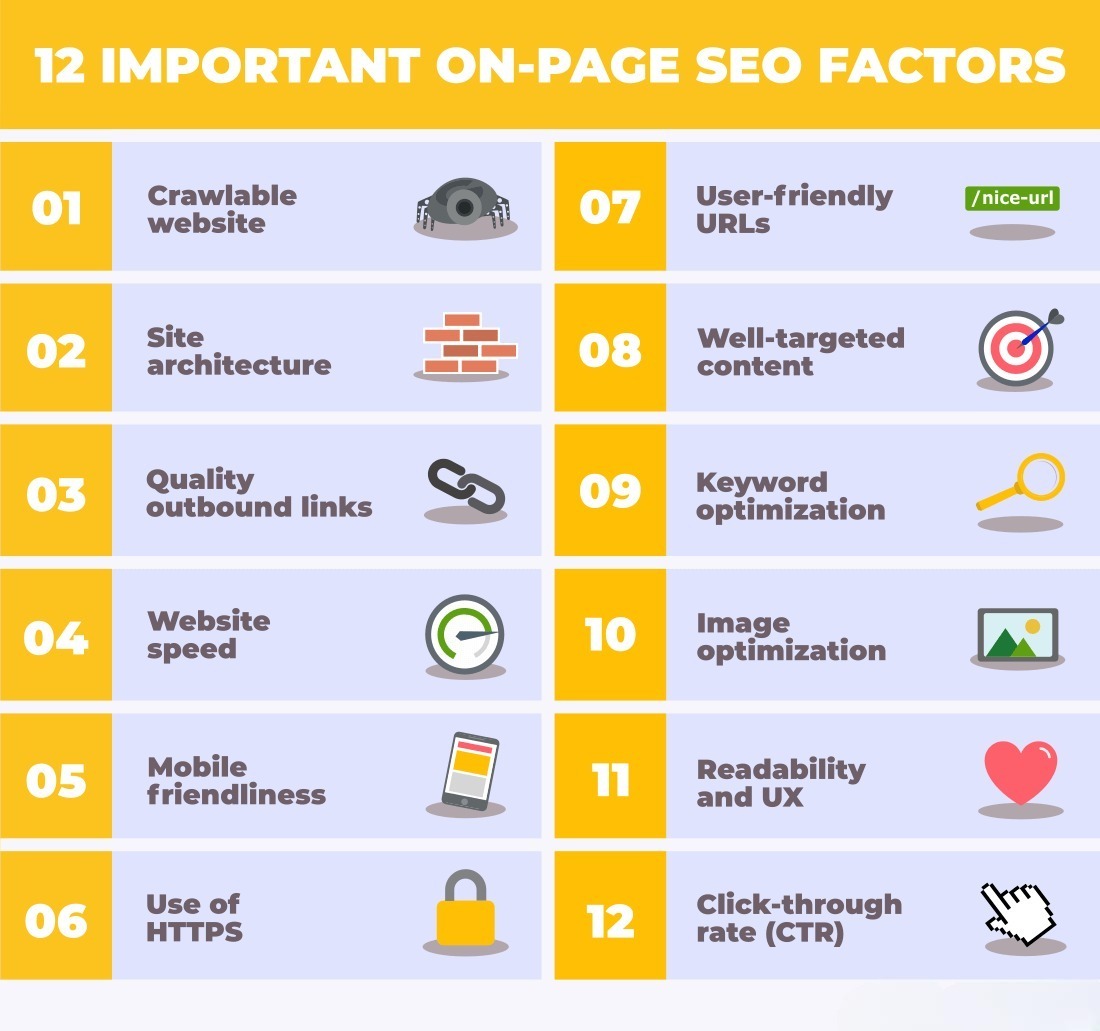
Example:
Instead of:
IMG_12345.jpg
Use:
seo-content-writing-guide.jpg
Use Internal Linking Strategically
Internal links help search engines understand your website structure while encouraging visitors to explore additional content.
For example, if you're learning about organic growth, you may also find these resources useful:
- Why Your Google Ads Are Not Converting (Fix These Issues)
- How to Reduce Cost Per Click in Google Ads (2026 Guide)
- Google Ads Setup Guide for Beginners
- 7 Costly Google Ads Mistakes That Are Wasting Your Budget
You can also explore our complete range of digital marketing solutions on the Scale With Clicks homepage.
Don't Ignore External Authority
When appropriate, reference authoritative sources like:
- Google Search Central
- Google Analytics Documentation
- Search Console Documentation
Authoritative references increase credibility.
Optimize Meta Tags
Every article should have:
- SEO title
- Meta description
- Featured image
- Canonical URL
- Open Graph tags
These improve search visibility and social sharing.
Keep Content Updated
SEO isn't a one-time activity.
Review important articles every 6–12 months.
Update:
- Statistics
- Screenshots
- Examples
- Internal links
- FAQs
- New ranking opportunities
Fresh content often performs better than outdated pages.
Common SEO Content Writing Mistakes
Avoid these common errors:
- Writing without keyword research
- Ignoring search intent
- Keyword stuffing
- Thin content
- Duplicate content
- Poor formatting
- No internal links
- Missing image optimization
- Weak introductions
- Outdated information
Fixing these issues can significantly improve rankings over time.
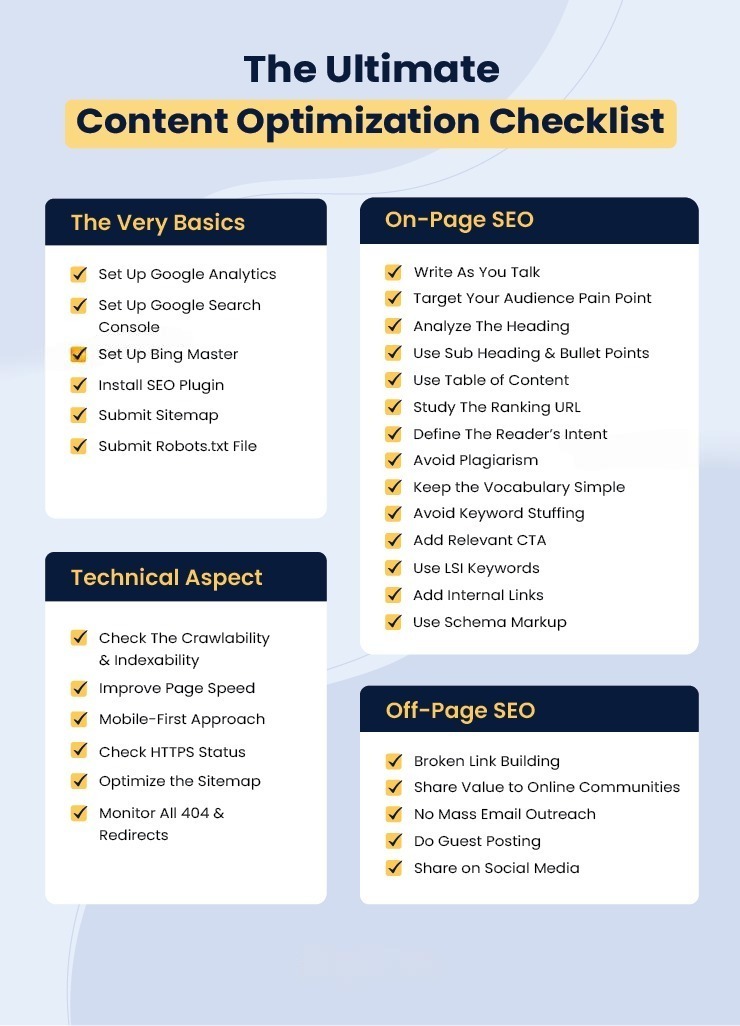
SEO Content Writing Checklist
Before publishing, verify that you've completed the following:
✅ Primary keyword included naturally
✅ Search intent satisfied
✅ Clear H2 and H3 headings
✅ Internal links added
✅ External references included
✅ Optimized images
✅ Descriptive alt text
✅ Meta title
✅ Meta description
✅ FAQ section
✅ Proofread content
Final Thoughts
SEO content writing isn't about inserting keywords into every paragraph—it's about creating genuinely helpful content that answers user questions better than competing pages.
When you combine thorough keyword research, thoughtful structure, useful insights, strategic internal linking, and consistent updates, your content has a much greater chance of earning sustainable rankings and attracting qualified traffic.
Remember, successful SEO is a long-term investment. Publishing high-quality, helpful articles consistently will build authority over time and contribute to stronger organic growth.
If you'd like expert guidance on developing an SEO strategy, creating optimized content, or improving your website's search performance, our team at Scale With Clicks is here to help.
Frequently Asked Questions (FAQs)
What is SEO content writing?
SEO content writing is the process of creating search engine optimized content that satisfies user intent while improving rankings, traffic, and conversions.
How many keywords should I use in an article?
Focus on one primary keyword and naturally include related keywords throughout the article instead of forcing a specific keyword density.
What is the ideal length for SEO content?
It depends on the topic, but comprehensive articles between 1,500 and 2,500 words often perform well for competitive informational keywords.
How often should I update SEO content?
Review and refresh important articles every six to twelve months to keep them accurate and competitive.
Why is internal linking important for SEO?
Internal links help search engines understand your website structure, distribute page authority, and encourage visitors to explore more of your content.
Should AI be used for SEO content writing?
AI can assist with research and drafting, but content should always be reviewed, expanded, and refined by humans to ensure accuracy, originality, and genuine value.